
A Short History Of The Photobooth

The first ever photobooth was created by T.E. Enjalbert, a French inventor who demonstrated his new creation at the 1889 World Fair in Paris known as the Exposition Universelle. His coin operated device delivered a glossy portrait within five minutes, but magazine La Nature claimed in 1895 that the portrait taken was poor quality and unrecognisable. Nevertheless, the novelty of the invention led to it being installed in several Parisian attractions, until eighteen years later Enjalbert’s patent product was renamed the Ashton-Wolff and was improved to produce portraits in a shorter time.
Like many innovative products, it inspired several spin-offs across the world. In Italy a coin-operated automatic photobooth was patented in 1890, popular in amusement parks and fun fairs but ultimately unsuccessful in ensuring its own longevity. This is due to how many machines would fail because of coin jams and needed frequent repairs, ensuring that these first photobooth hire machines were never fully self-operative.
It wasn’t until 1925 when Russian entrepreneur Anatol MarcoJosepho patented the Photomaton, helping to make him a millionaire overnight. Using penny cameras and techniques inspired by his travels to China and Hungary, Josepho created the first photobooth which distributed photos in horizontal strips. Travelling to the U.S., Josepho went to Hollywood and Manhattan to find endorsements, eventually raising $11,000 to build a prototype which took eight minutes to produce eight photos. When it was introduced in its own store on Broadway, it attracted over 280,000 customers in its first six months of opening, leading Josepho to sign a million dollar deal (worth $12 million today) in 1927 for the rights to his product.
The next twenty years saw over 30,000 of Josepho’sPhotomaton booths distributed across the United States. Popular amongst World War Two soldiers and socialites, as well as famous Governors and politicians, its universal appeal meant seventy factories were soon opened across the continent which specialised in the mass production of these machines. The Photomatons were also soon shipped across to Europe and Canada, leading to new developments and innovations, including the positioning of the stool, different sizes and allowing the machines to become fully self-sufficient by the 1960s, with no need for a photographer to assist with taking pictures.
The Photomaton was soon Americanised, creating a different business model in the 1940s known as the Auto-Photo, which used different chemicals and completely changed the workings of each booth. Replacing floodlights with strobe, different designs for photobooths were created and marketed to different industries and businesses, for example one model was created for the police to use for specifically taking prison mug shots. Colour photos were later introduced in the 1970s but faced fierce competition from Polaroid cameras, leading to the company being bought by a British business and being re-named Photo-me as a result of their declining popularity.
It wasn’t until the 1990s when sticker photobooths revitalised the craze for photo booth hire, proving extremely popular in Japan, China and across East Asia were they are known as purikura. Printing at a faster rate than ever before, pictures produced were also of a higher quality, eventually becoming popular across Europe in both their fun and formal variations.
Aside from their traditional uses across the globe for photographs needed for official documents like passports or driving licenses, today photobooths are undergoing a revival as a popular feature at weddings, parties and other social occasions. It’s therefore likely that with the help of new technologies, like 3-D printing and solar power, photobooths will continue to grow as a convenient and enjoyable form of photography for many years to come.
Tags: Artwork, images, photobooth
Relevant Articles
 The Latest Trends And The Reason...
 The Bewitched Effects Of Oil Pai...
 A Short History of the Lolcat
 Gold Medals of Best Short Distan...
 The Evolutional Journey of a Clo...
 The History Behind E-Cig Technol...
 Tennis Game and Racquet Evolutio...
 Aircraft Noise - Can The N...
What is Traditional Art? 5 Things to Know
What is Traditional Art? 5 Things to Know
Collecting art can be an enriching experience that will expose you to the views and lifestyle of artists worldwide. Although it is not necessary to stick with just one style of art, many collectors choose to place a major emphasis on the traditional style. In fact, a trip to most art museums will introduce you to a wider selection of traditional pieces than any other style. Due to this, traditional art is able to maintain a stronghold in the art industry, and it can be a good choice for collectors who hope to sell their pieces in the future.
Things to Be Aware of
1. It Can Take on Many Different Forms – Many people assume that traditional art showcases landscapes and people, but this is not necessarily the case. Instead, traditional art is defined as a specific set of knowledge and skills that belongs to a particular cultural group of people who passed it down for many generations from master craftsman to their apprentices. Traditional art is a label for anything that one of these artists creates with their hands, including sculpture, printmaking and painting. A search for traditional art for sale will show you just how diverse this genre can be.
2. Traditional Art Captures Part of the Artist’s Cultural Heritage – One of the main reasons that traditional art is considered to be so culturally significant is that it contains references to important traditions that belong to a specific group of people. For example, traditional European art includes architecture, sculpture and oil paintings that reflect important aspects of European culture.
3. The Importance of Traditional Art Symbols – Most traditional artists utilize symbols that help them depict stories or native myths. This enables the artist to reference current or historical aspects of their culture, and they can do so in a less obvious manner by taking advantage of symbolism.
4. Each Culture has its Own Painting Traditions – European painters typically use acrylics and oils to bring their vision to life. However, this is not the case in many other cultures. For example, Asian painters commonly use silk and rice paper when they are painting a traditional piece.
5. Traditional Artists Embrace Realism – One of the original purposes of creating traditional art was to serve as a method for documenting important stories and people. Because of this, these artists needed to create pieces that were as realistic as possible so that the viewer could learn about historic events and major figures that had a big impact on a specific culture and time period. The original traditional artists had to use their skill to capture a wide variety of events because they could not rely on inventions that came later such as cameras to record these moments for posterity.
Because each culture throughout history has had access to different materials and colors, it is common for traditional artists from a specific region to rely more heavily on certain color schemes. In fact, this helps art historians determine which time period and cultural group a specific piece belongs to. Fortunately, traditional art pieces and prints can easily be obtained by visiting an online artwork store. Therefore, whether you are trying to embrace part of your cultural heritage or simply liven up your home, traditional art is definitely a great choice.
Writer Melanie Fleury has several pieces of traditional artwork in her home. From her husband’s native Haiti, to her own country of South Korea, the art represents the rich heritage in her family. Finding traditional art for sale is made easier by online companies like Artismo.com who offer quality pieces at affordable prices.
Photo Credit: http://www.flickr.com/photos/dgroup/4508189985/
Relevant Articles
 Thats Hot — Why Traditiona...
 The Organ Clock Based on the Tra...
 Hawaiian Hula Dance as Symbol of...
 Rare And Crazy Rings
 Hip Hop Versus Traditional Dance
 Top Strategies And Services That...
 4 Best Cities to Celebrate 4th o...
 Things You Need To Know Before Y...
Outside In: Decorating Your Home To Reflect Nature
Outside In: Decorating Your Home To Reflect Nature
Maybe you have dreams of living at the beach in your retirement years. Maybe you would like a home in the mountains, where the landscape is lush and full of wildflowers. Or, maybe you love the serene vistas of the French countryside. Why wait until you can afford to relocate to experience these pleasurable environments every day? Bring your favorite scenes from outdoors inside when you choose artwork to decorate your home that reflects your love of nature.
Choose Artwork that Reflects Your Favorite Things
If you love the beach, choose paintings and photos that reflect those images. Even in abstract art, you can hang paintings that feature the colors of the beach, such as the deep blues and teal greens of the water, or the soft, muted tones of shells and sand. If you love the mountains, you might like images of babbling mountain streams and budding trees to fill your home with the fresh outdoors.
If downhill skiing is your passion, opt for wintry images of snow-covered hills, or cozy, little cottages in the woods that remind you of your favorite mountainside bed and breakfast. Many websites, like artismo.com, offer contemporary art for sale that features a natural scene with soft soothing colors.
Bring Harmony to Your Home
When your living environment reflects all things you love, it brings peace, happiness and harmony to your home. If you have traveled to exotic places, the beaches of the world, or ski resorts, you can bring home souvenirs of your excursions to remind you of that particular time and place in your life. Each time you look at an object d’art that you acquired on one of your trips, you will feel the emotions you felt when you were actually there. This can bring much happiness into your day and into your home.
Soothing Colors of Nature
When you want to create a sanctuary-like setting in your bedroom or meditation room, surrounding yourself with the colors of nature can help you relax. Some of the most calming colors that you can choose for artwork or even to paint your walls are blues and muted shades of greens and other earthy tones. Green, specifically, is a restorative color, bringing calm and healing energy into your home. When it comes to artwork, choose images of green plants or abstract images of flowing shapes in greens, blues and beiges.
Natural Elements
In addition to choosing artwork and wall colors that reflect your favorite outdoor environment, you can also display natural elements such as flowers, branches and stones. Fill a large vase with dried branches and put it by a window. Set up a small, decorative fountain so you can listen to the soothing trickle of running water while you read. Fill a wide bowl with natural stones and place a candle in the center. All these things will function to bring nature inside your home and create a more peaceful indoor environment.
Human beings reap many benefits of being outside. When you are in an office all day, or inside your home during cold weather, it helps to bring that nature inside. Let your home reflect these images through artwork and décor, and you just might be amazed at how happy you feel, right now.
One of Melanie Fleury’s favorite places growing up was Wilmington, NC ,located less than a mile off the beach. Her favorite artwork often includes elements from that beach life, from the colors to the themes. A simple search of contemporary art for sale online can help you to find pictures that will transport you back to your happiest place or to extend that scene into your own home.
Photo Credit: http://www.flickr.com/photos/spablab/7475094526/
Tags: Artwork, decorating, Home
Relevant Articles
 Getting The Right Flowers For Ch...
 5 Feng Shui Dining Room Decorati...
 From the Scottish Parliament Dow...
 Home Renovations: What Makes Sen...
 Traveling to The Chengdu Panda B...
 Center Stage! How to Showcase Yo...
 Underwater life
 Grow Banana Tree in Your Garden
The Digital Artwork of German Mystical Artist
This digital artwork is made by the German mystical artist H. Kopp-Delaney. The themes of his art includes philosophy, spirituality, Buddhism, psychology, symbolism, alchemy and the holy grail. It is always about searching an interesting inspiration and creating something new with a reflection of human’s own feelings. The artist searched for a balance for a long time and I think that he already found his balance of jing and jang.
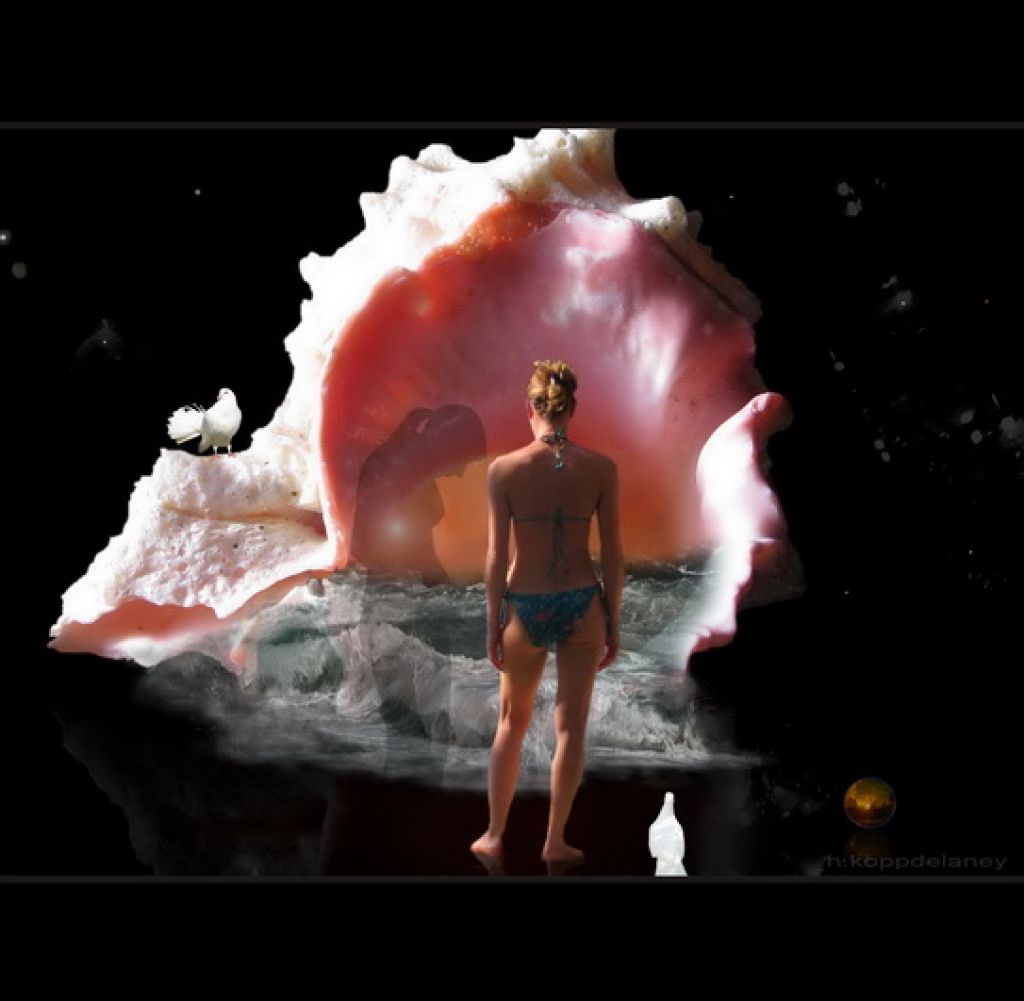

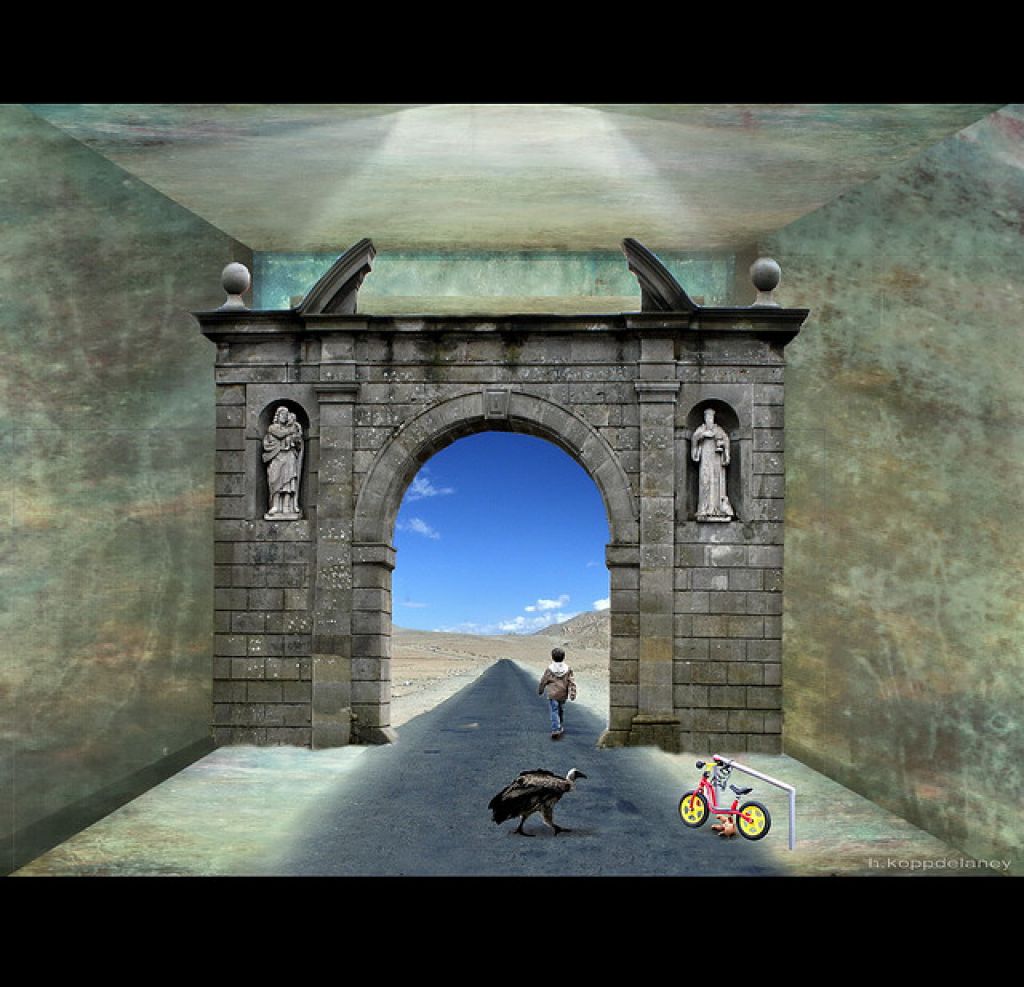
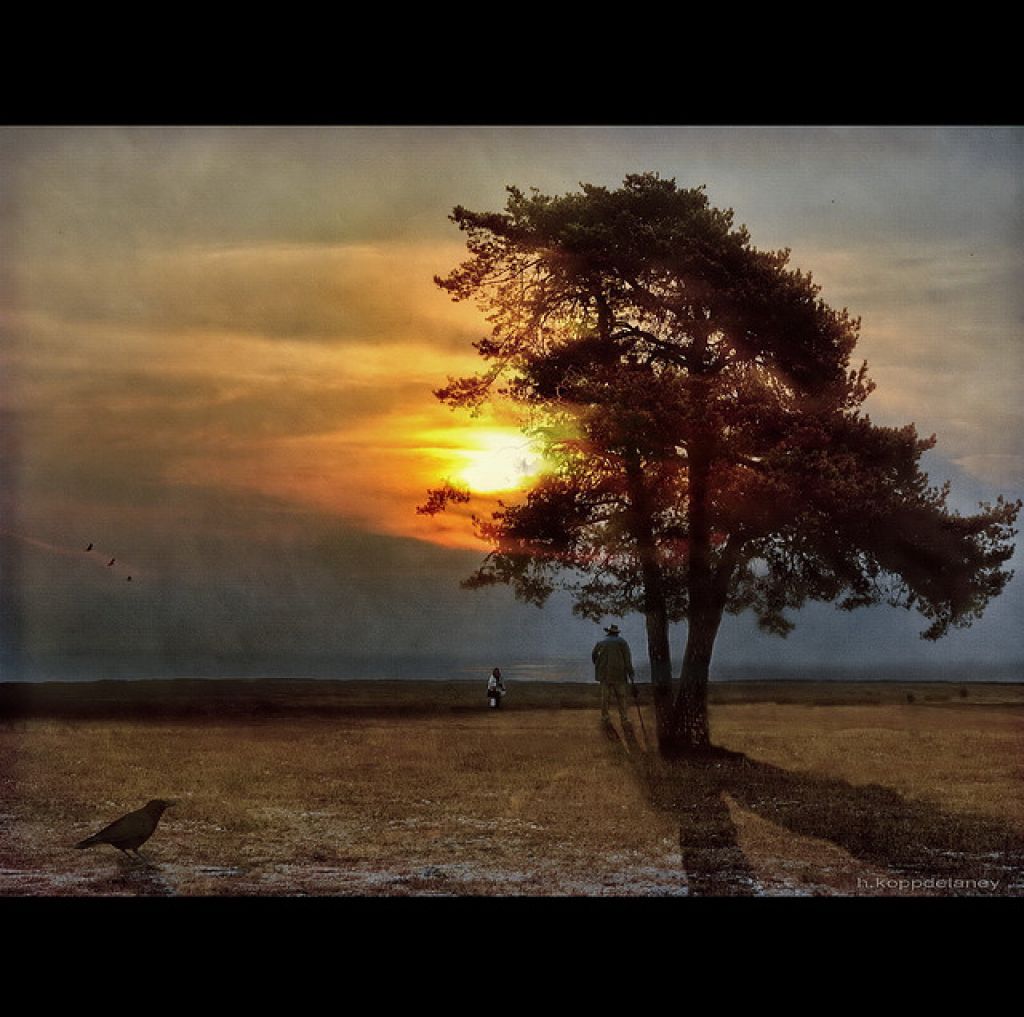
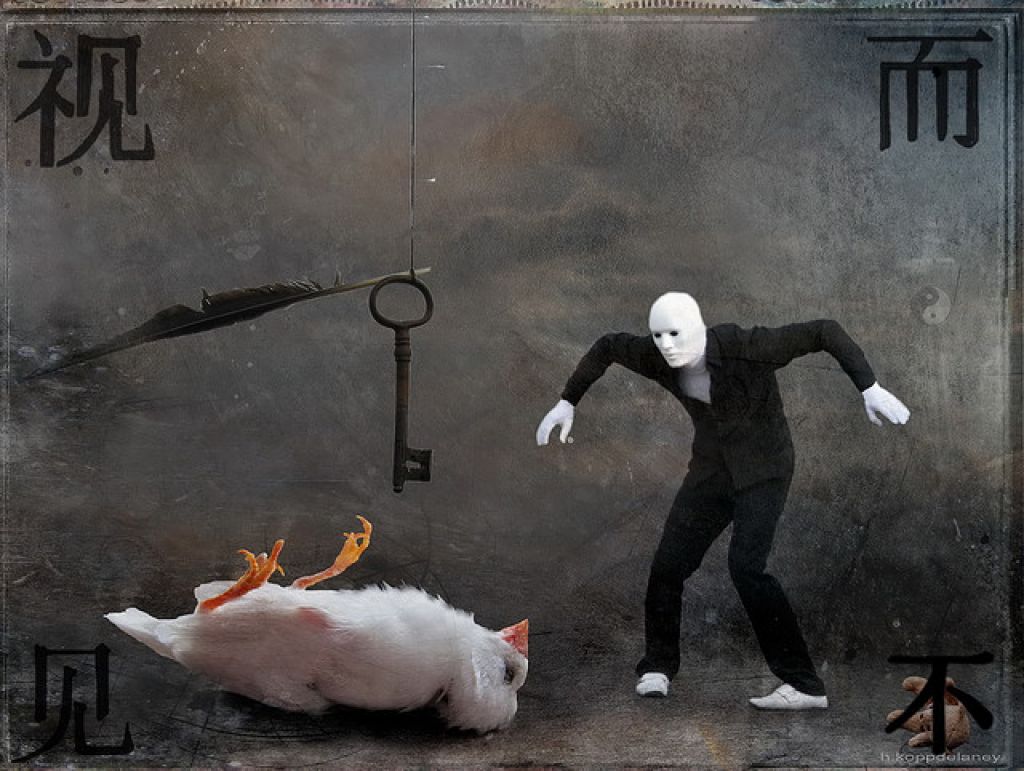
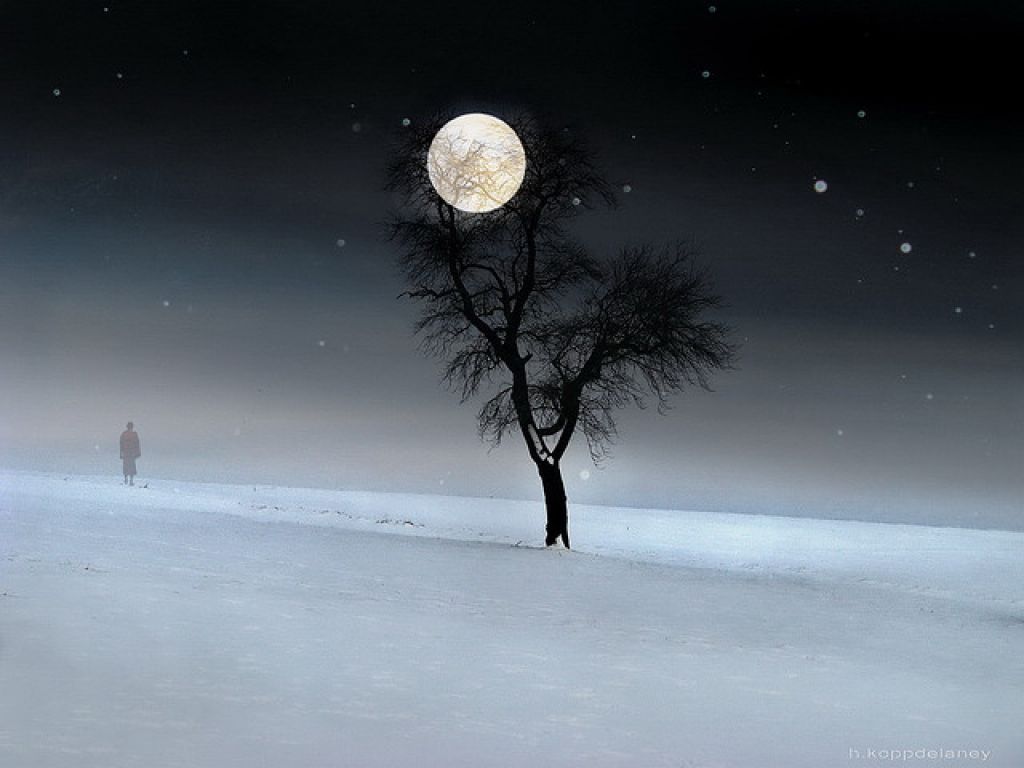
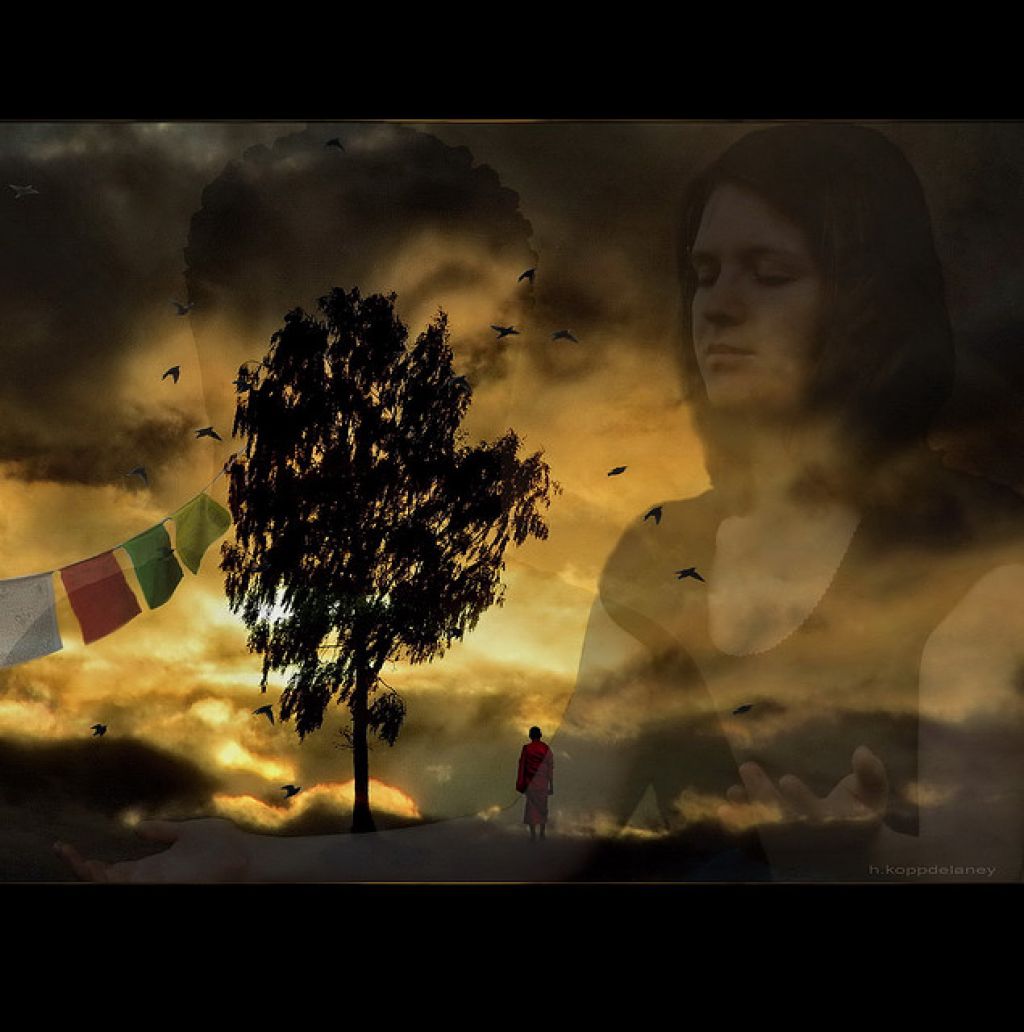
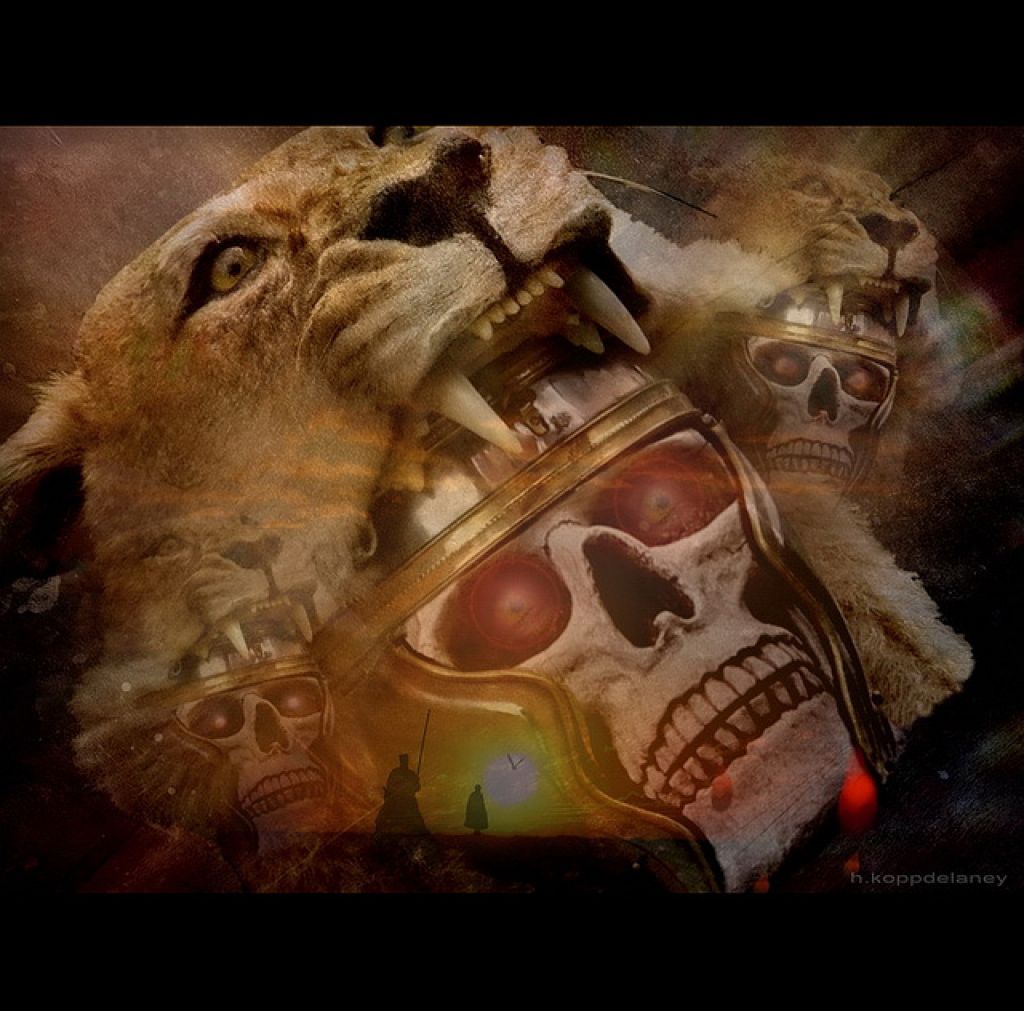
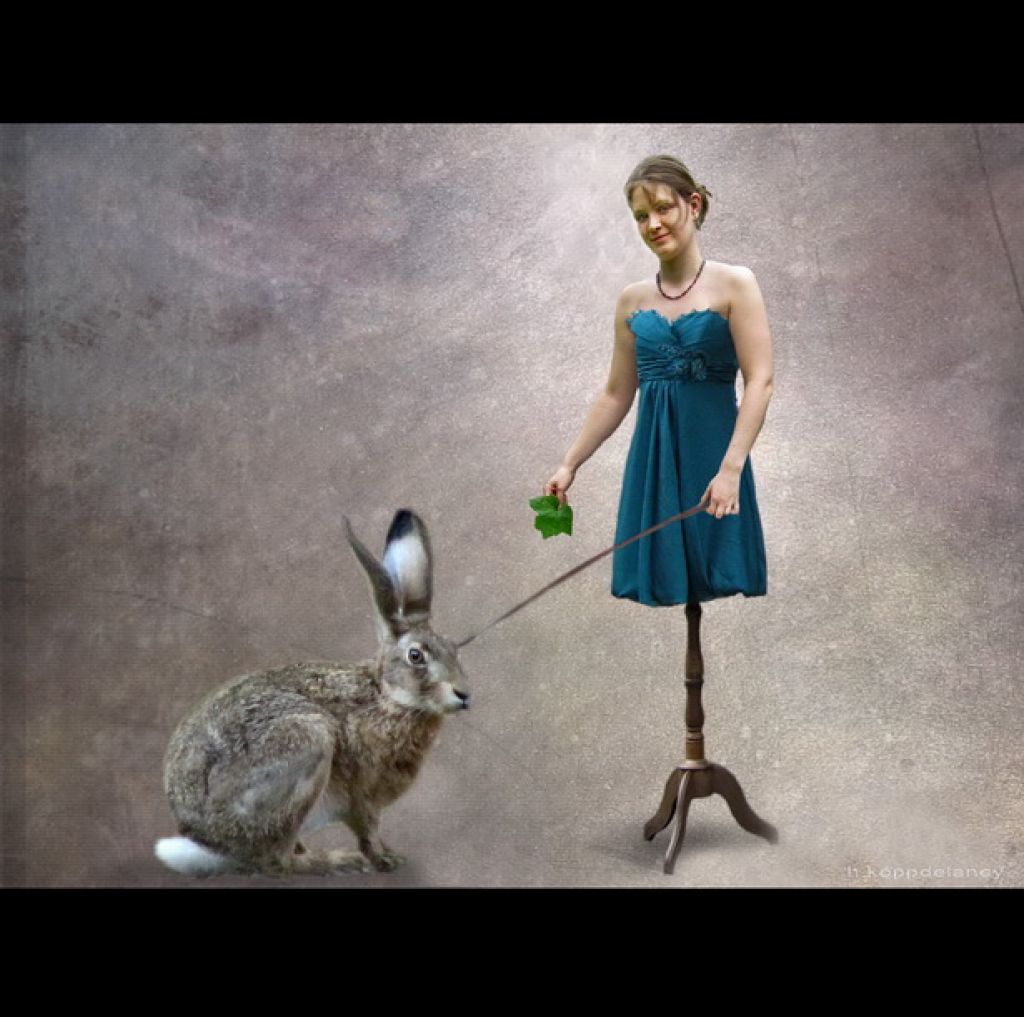
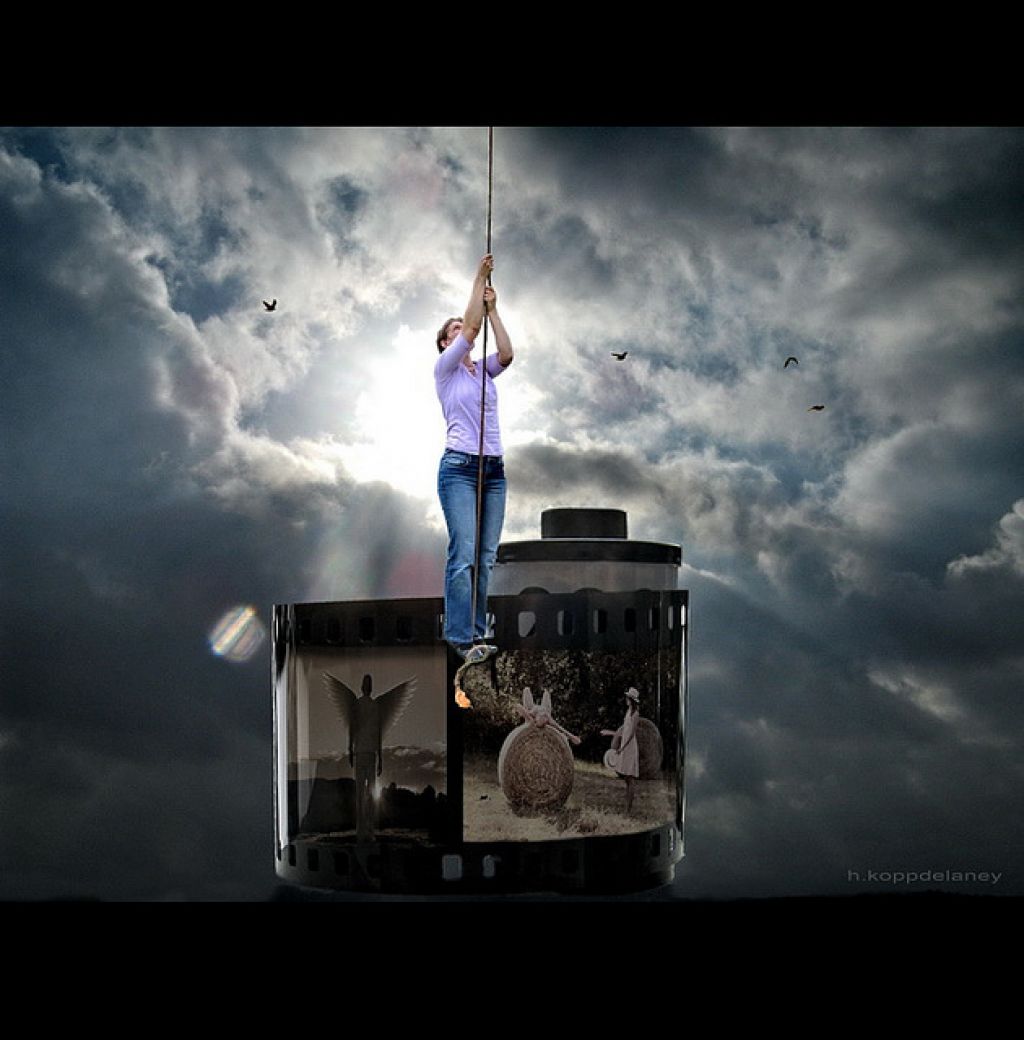
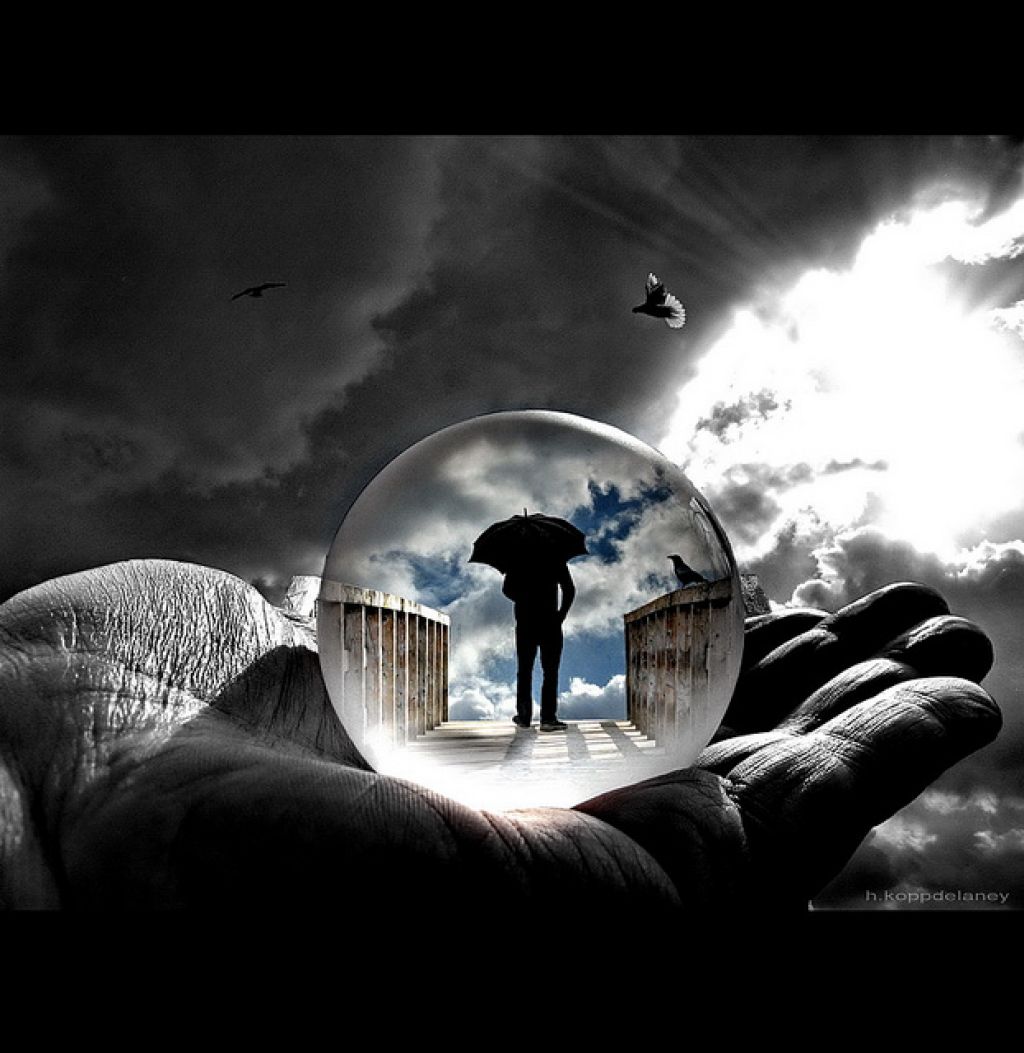
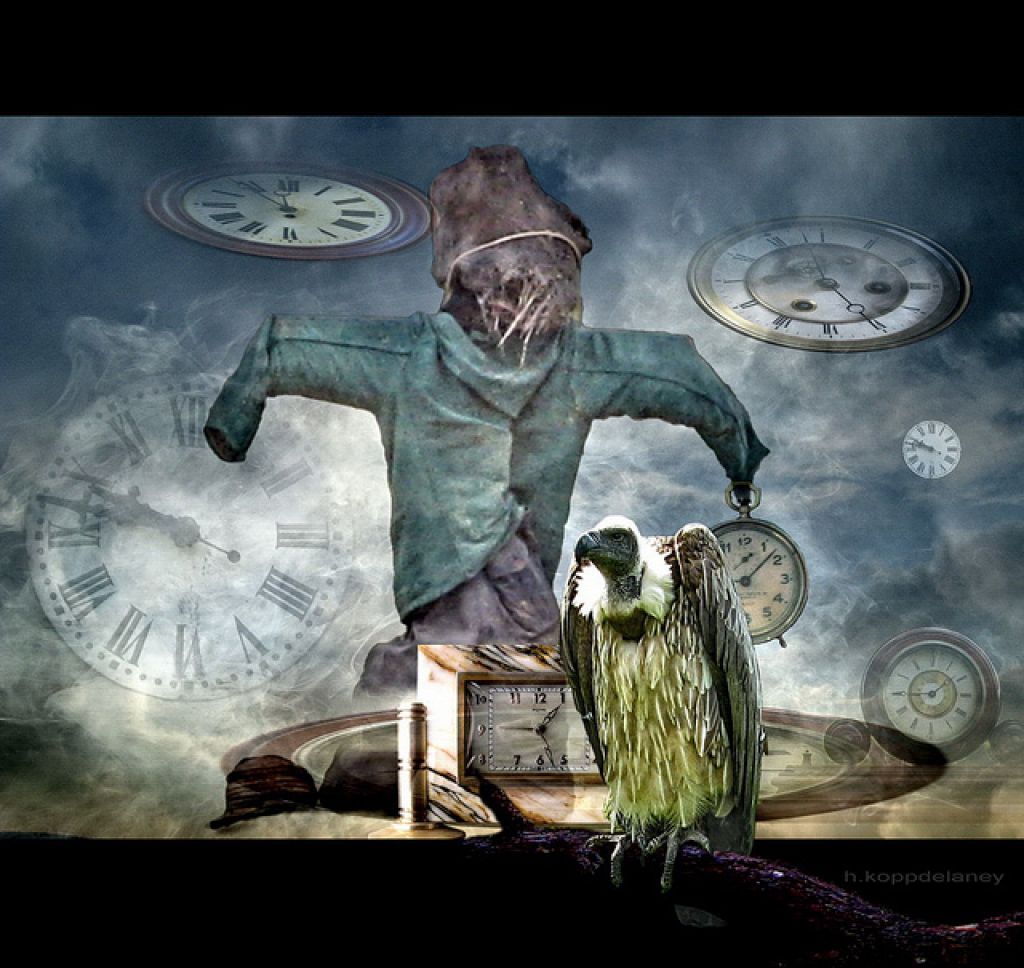

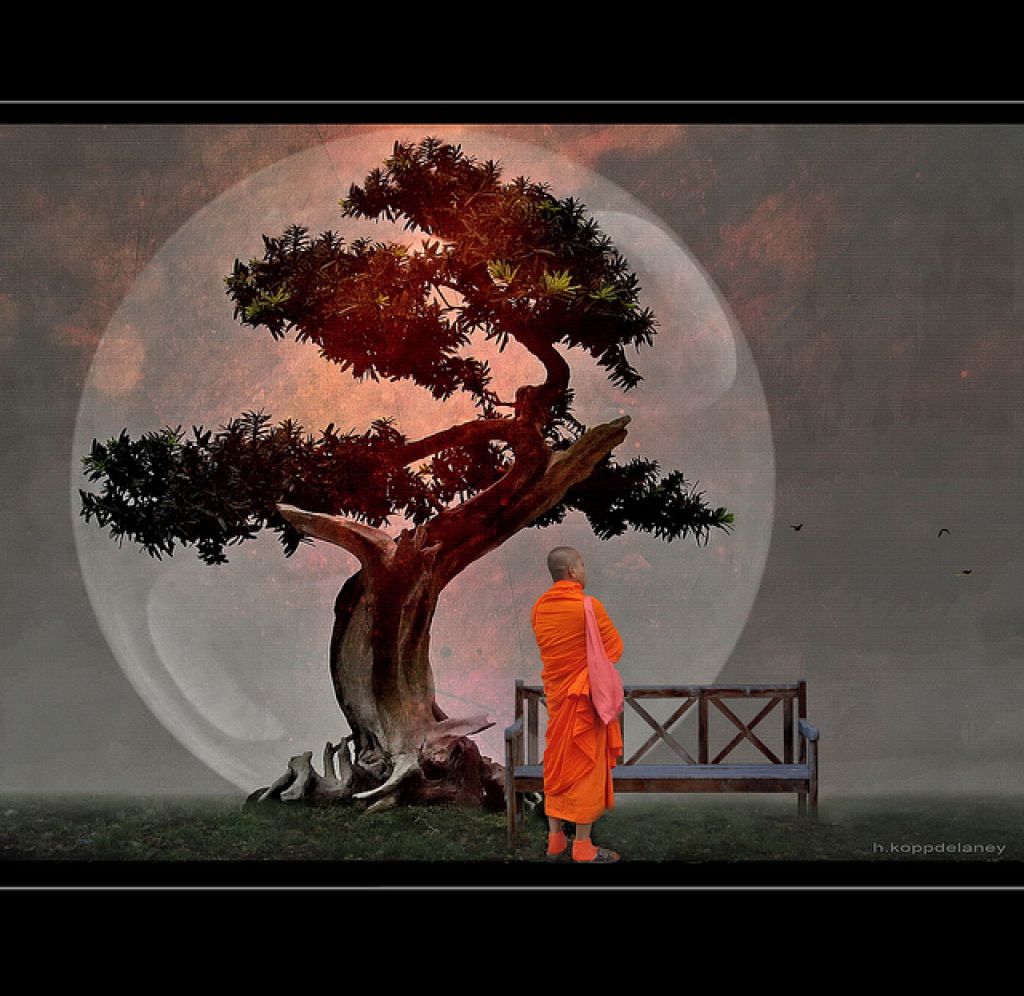
Photo Credit: h.koppdelaney (CC BY-ND 2.0)
Tags: artist, Artwork, Digital, German, Mystical
Relevant Articles
 3D Drawings Sketches of Chilean ...
 Celebrity Pictures Made as Serio...
 Book Guns by Robert The
 Famous Ships in the History of B...
 Paintings from the Good Old Time...
 How to Create Huge Soap Bubbles
Copper and Bronze Leaf Jewelry Steel Artwork
Jewelry is actually not my favorite area but I came across some interesting leaf jewelry images while I was searching pictures of ginkgo biloba. Ginkgo is very old and powerful tree in nature and hailed in Chinese traditional medicine. Ginkgo enlarges veins which results in better blood circulation and finally better nutrition of all cells. Practically it means that more glucose and oxygen is delivered to the cells. This helps when someone have cold arms and legs. OK, back to the leaf jewelry. It is made from copper, silver or bronze steel and it contains many kind of leafs, not just ginkgo. Examples are ivy vine, oak, linden, rose leaf, maple, grape or acorn. And I have to say that I like it.
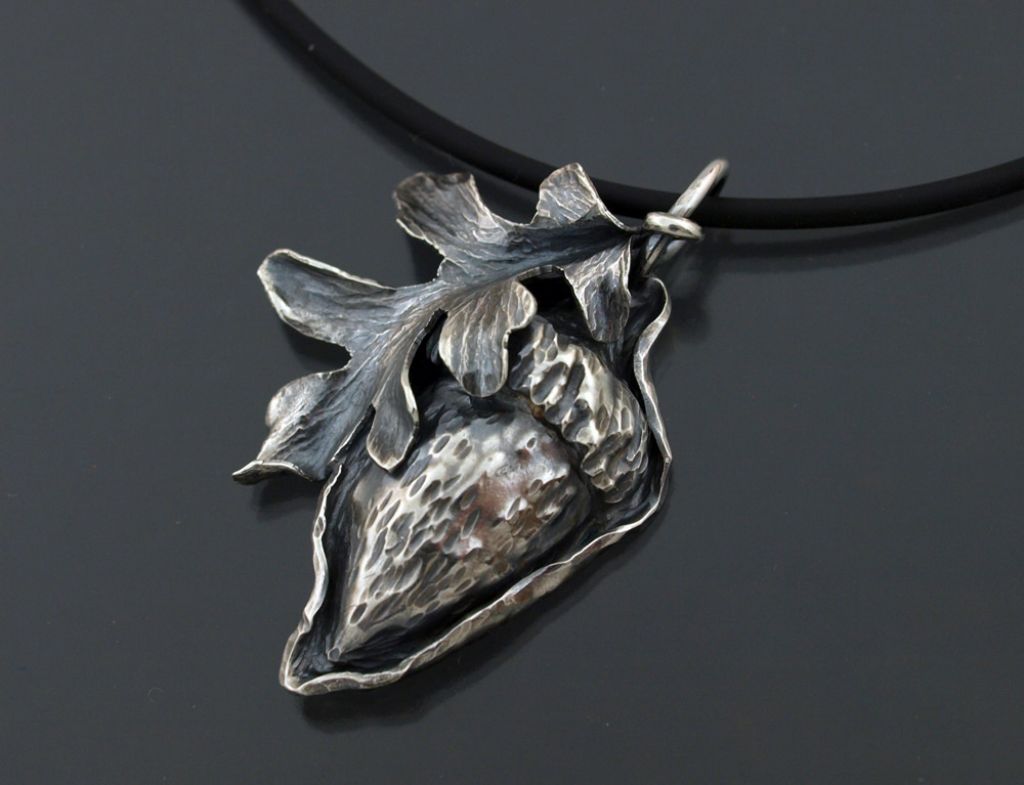
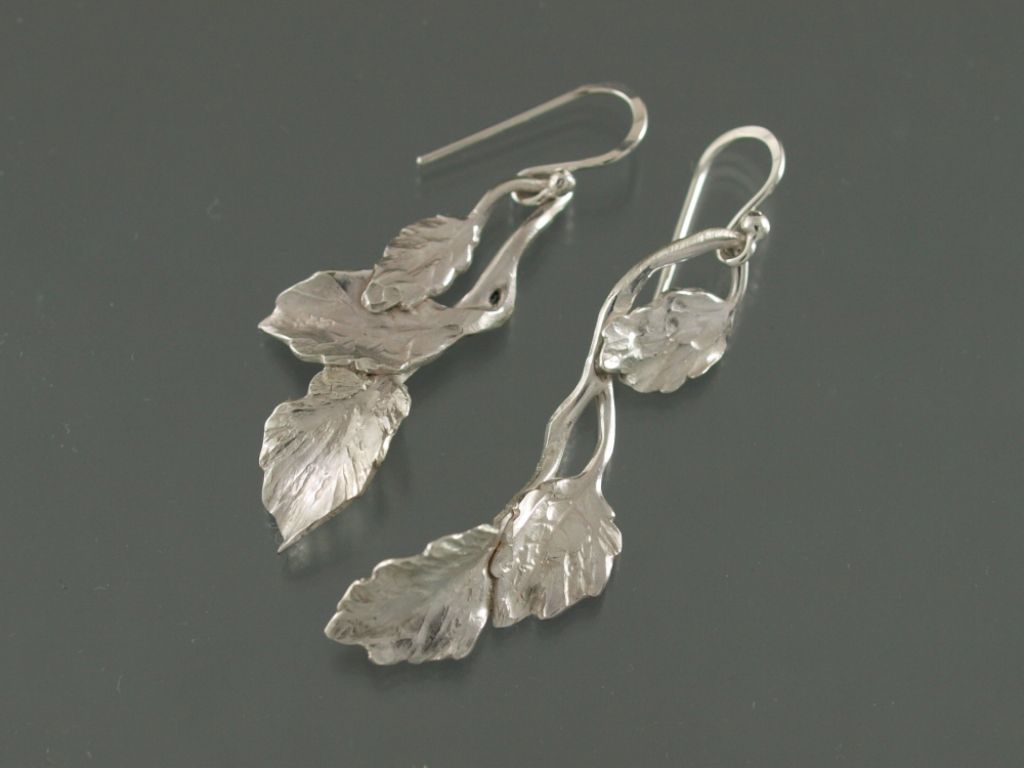
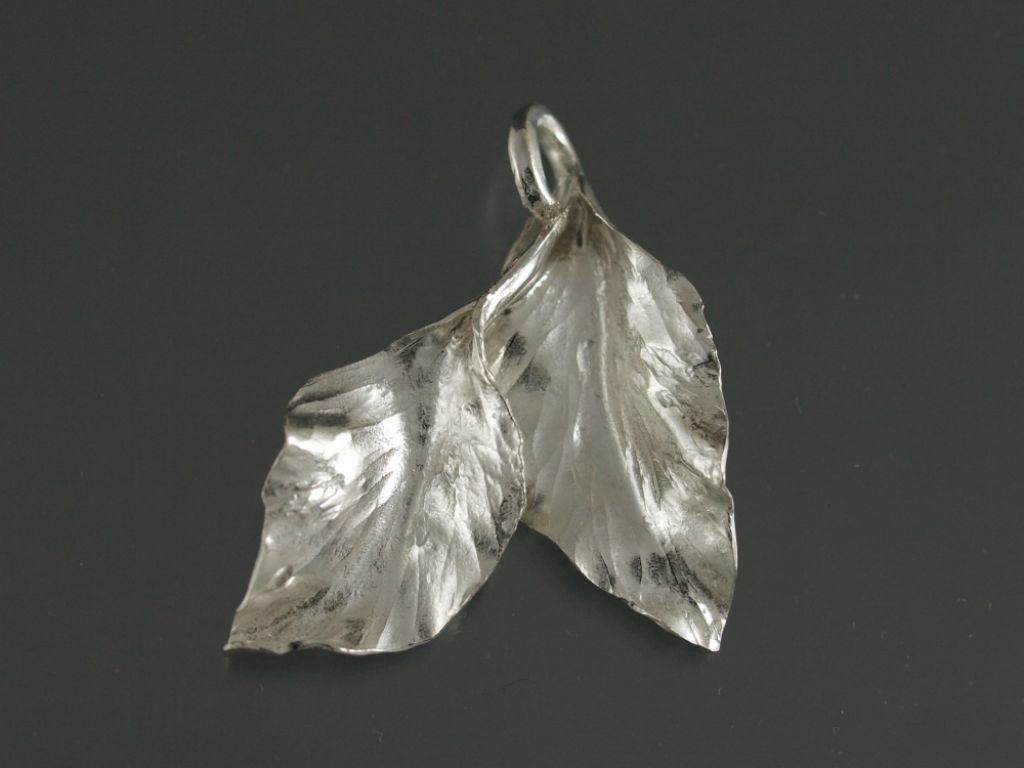
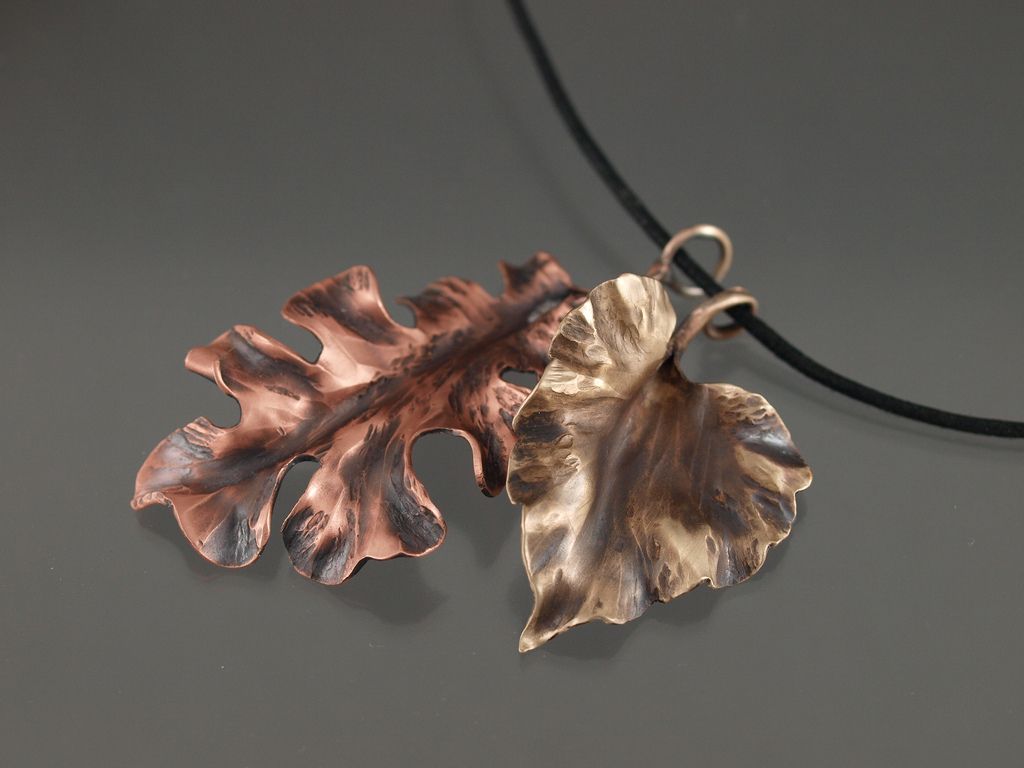
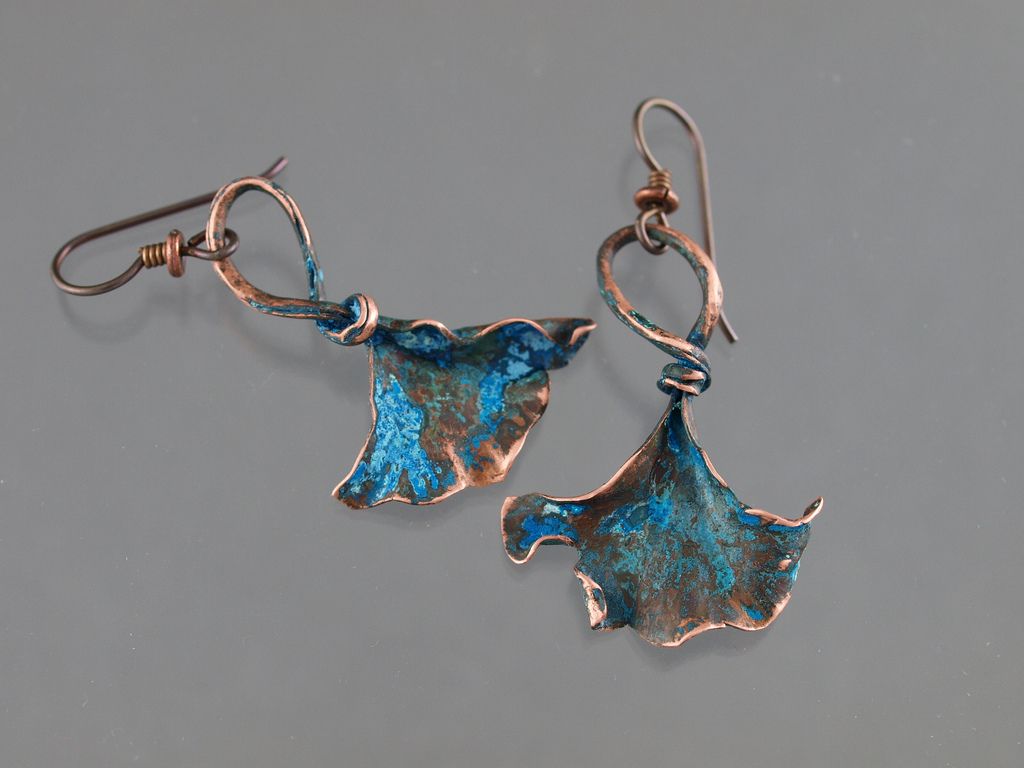
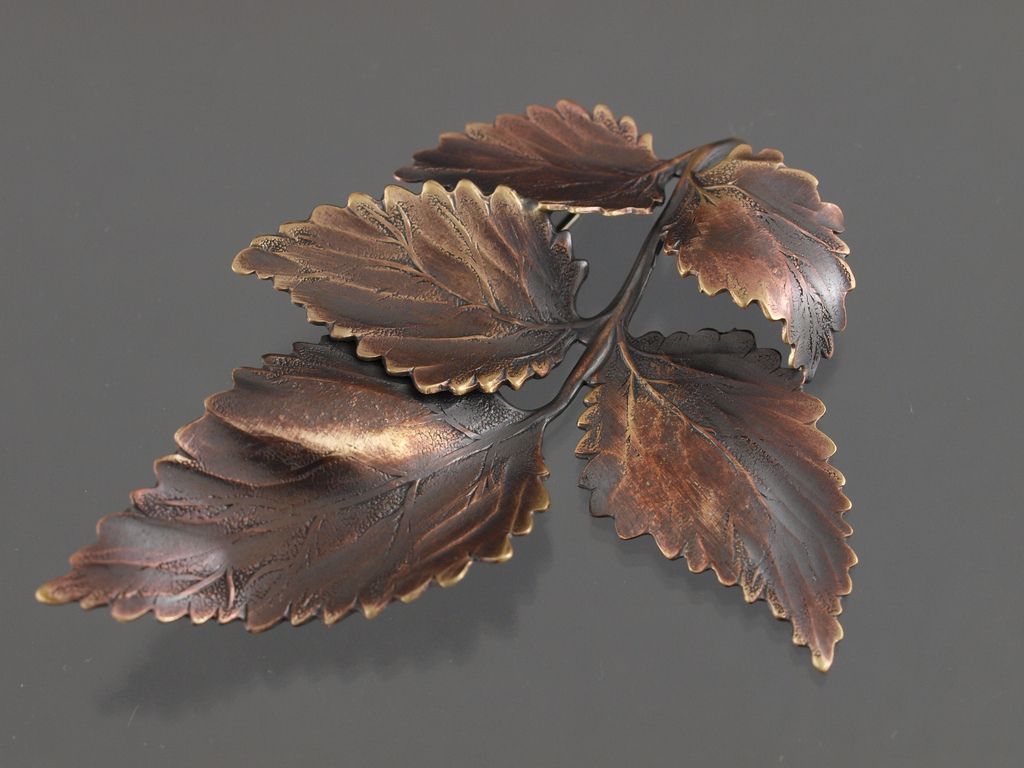
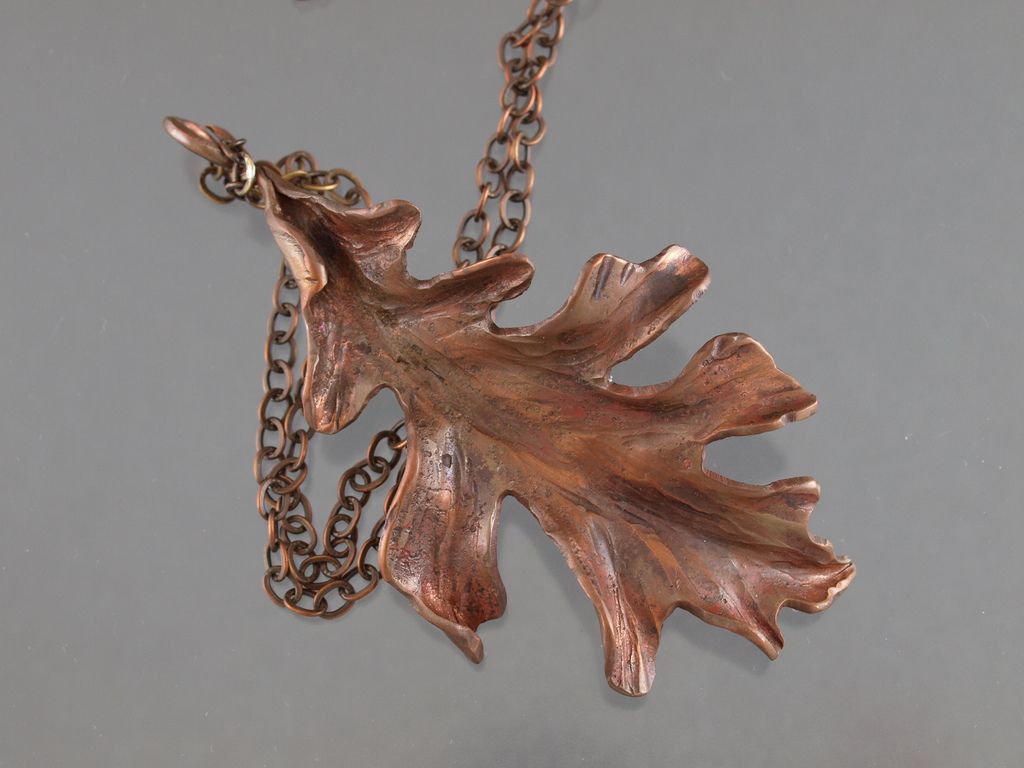
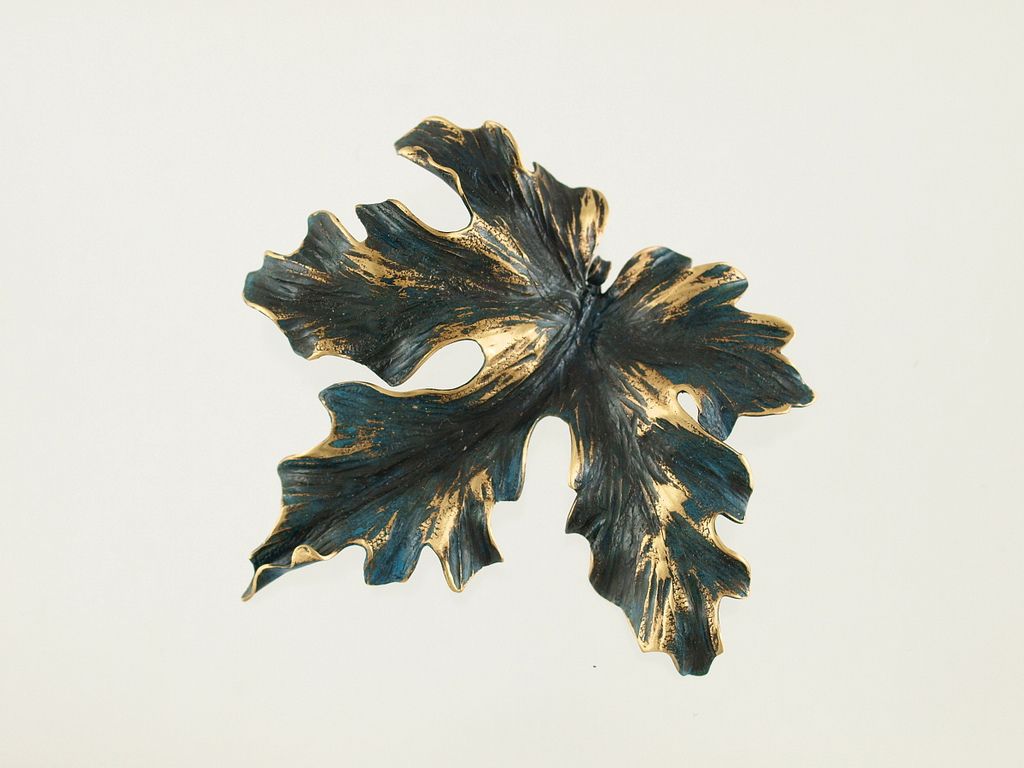
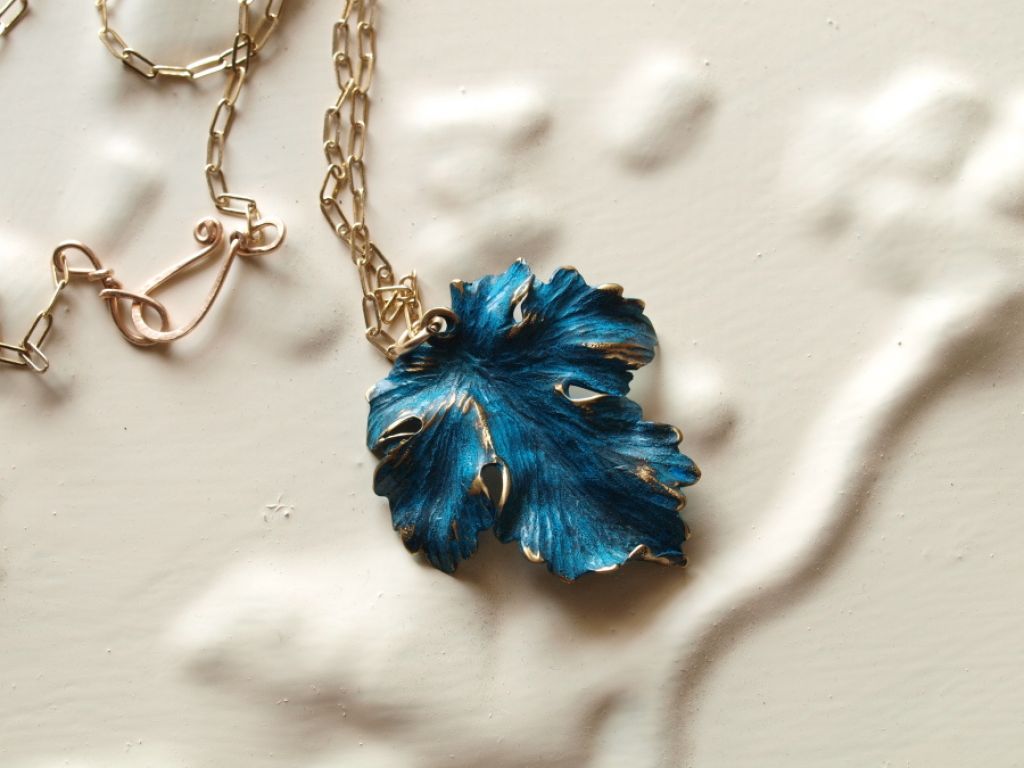
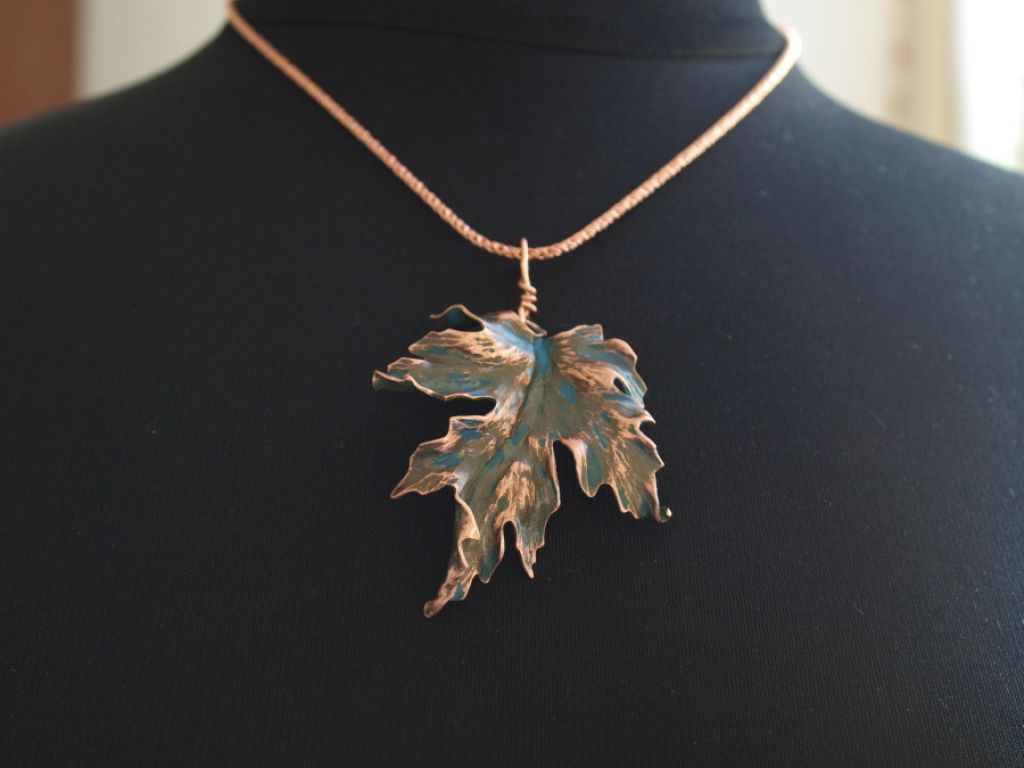
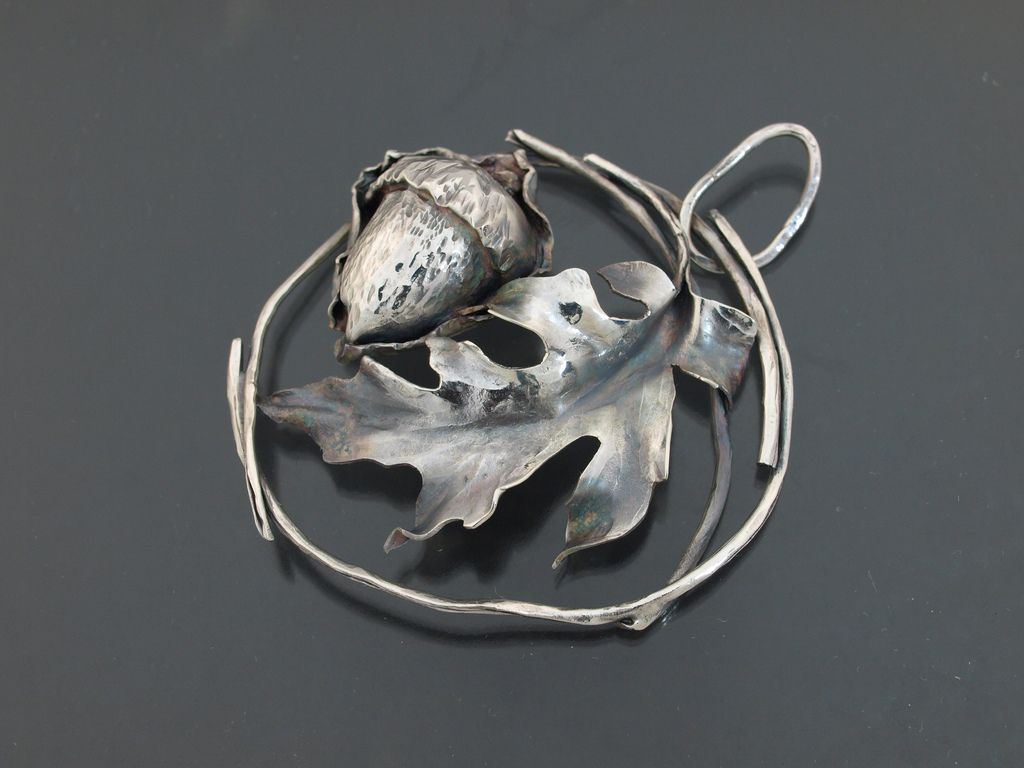
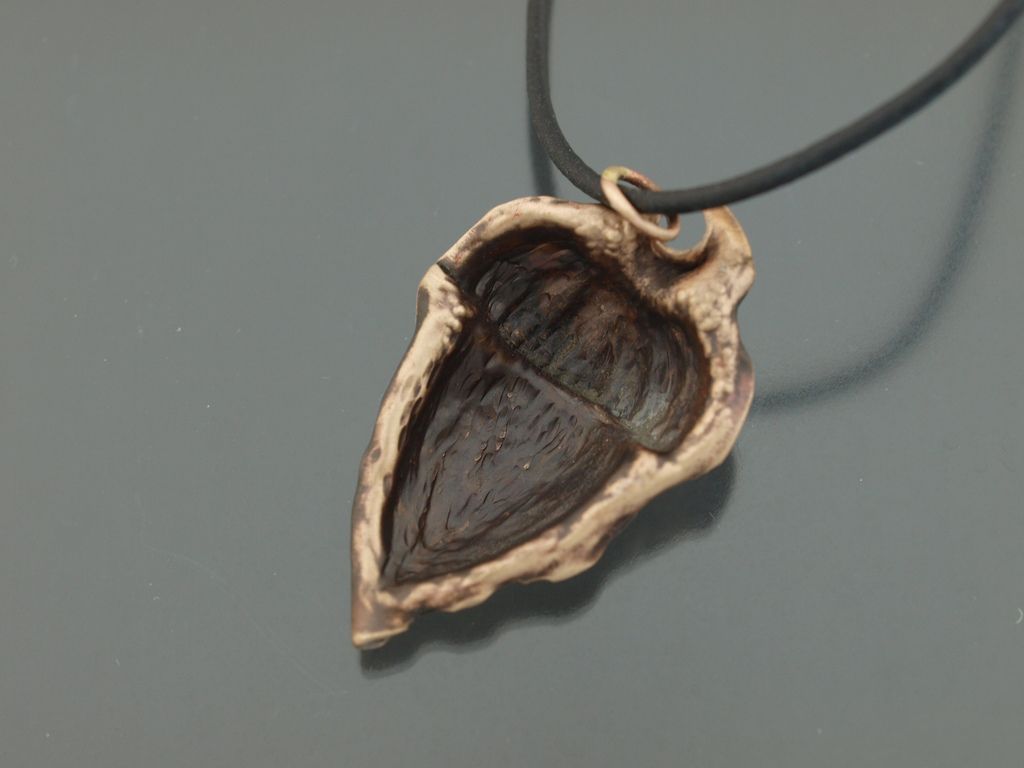
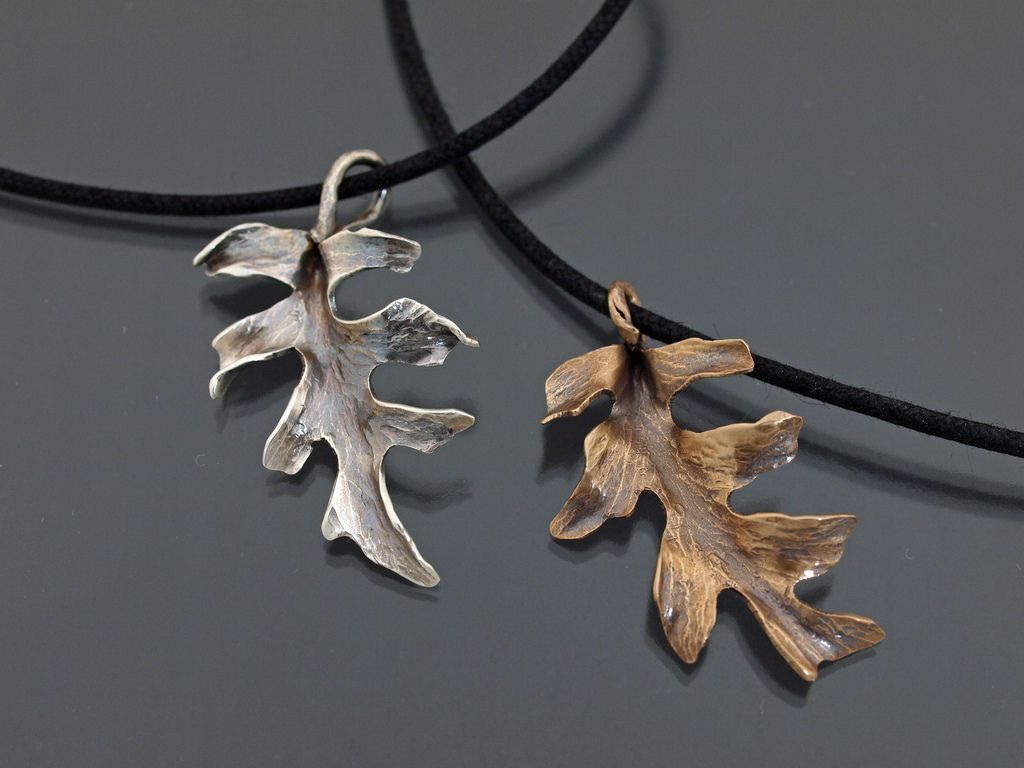
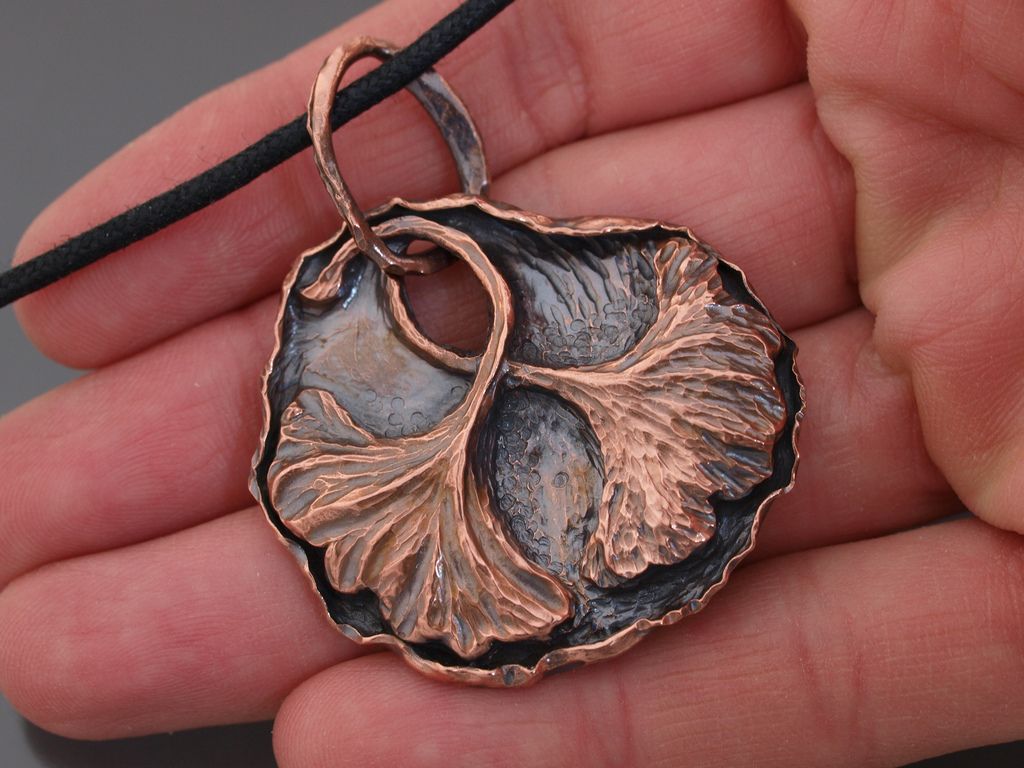
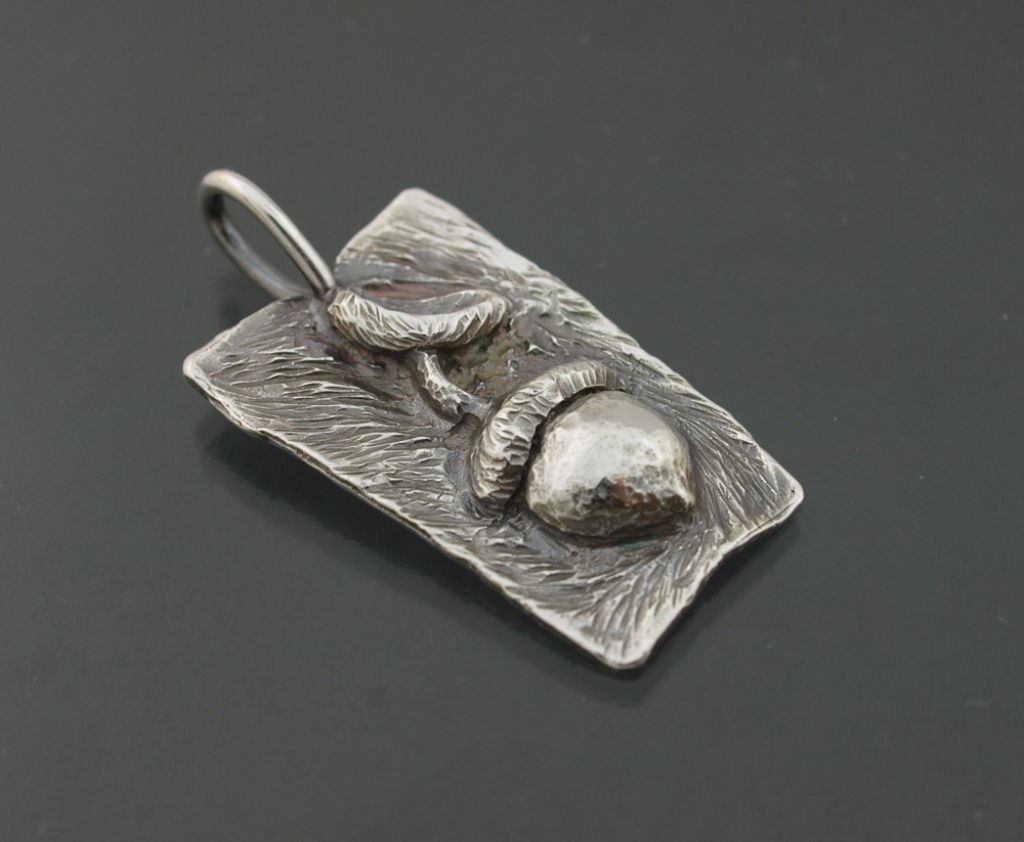
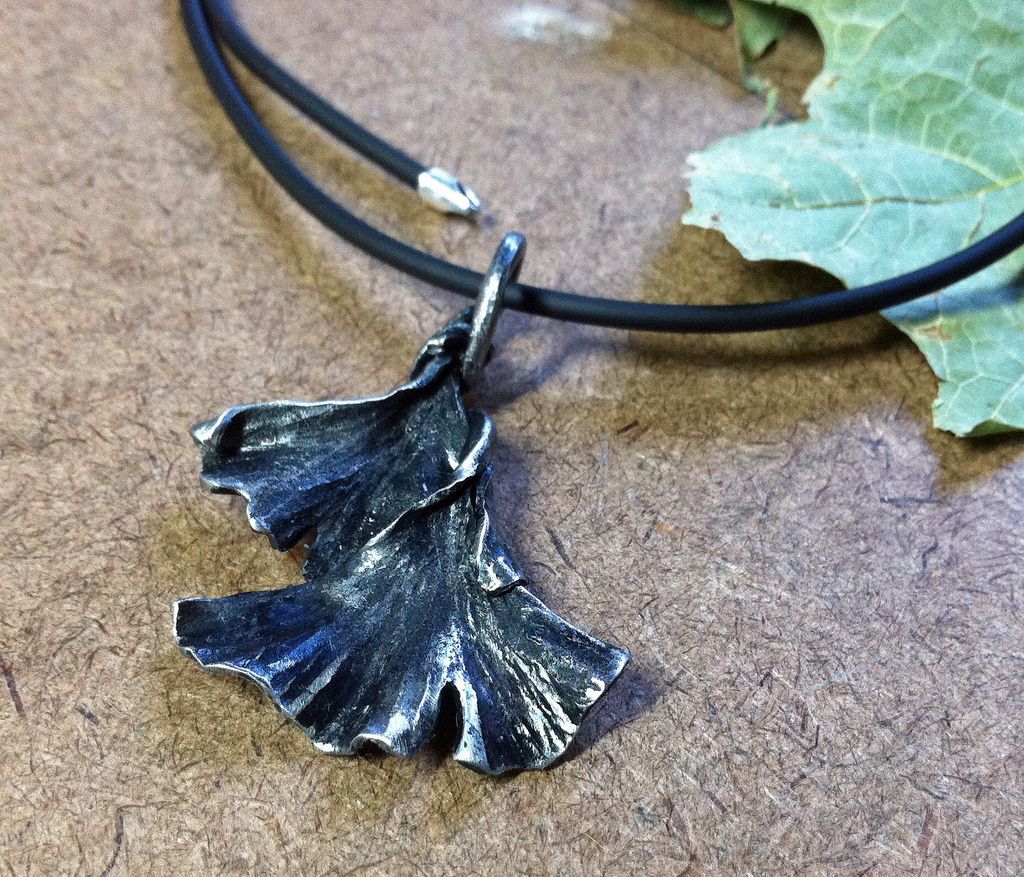
Photo Credit: Kirsten Skiles (CC BY-ND 2.0)
Tags: Artwork, Bronze, Copper, Jewelry, Leaf, Steel
Relevant Articles
 5 Tips on how to buy Turquoise J...
 Adorn well with classy jewels an...
 Ring Her In For Valentine’...
 All you need to know about the b...
 How to sell jewelry safely?
 Know Your Precious Stones. Speci...
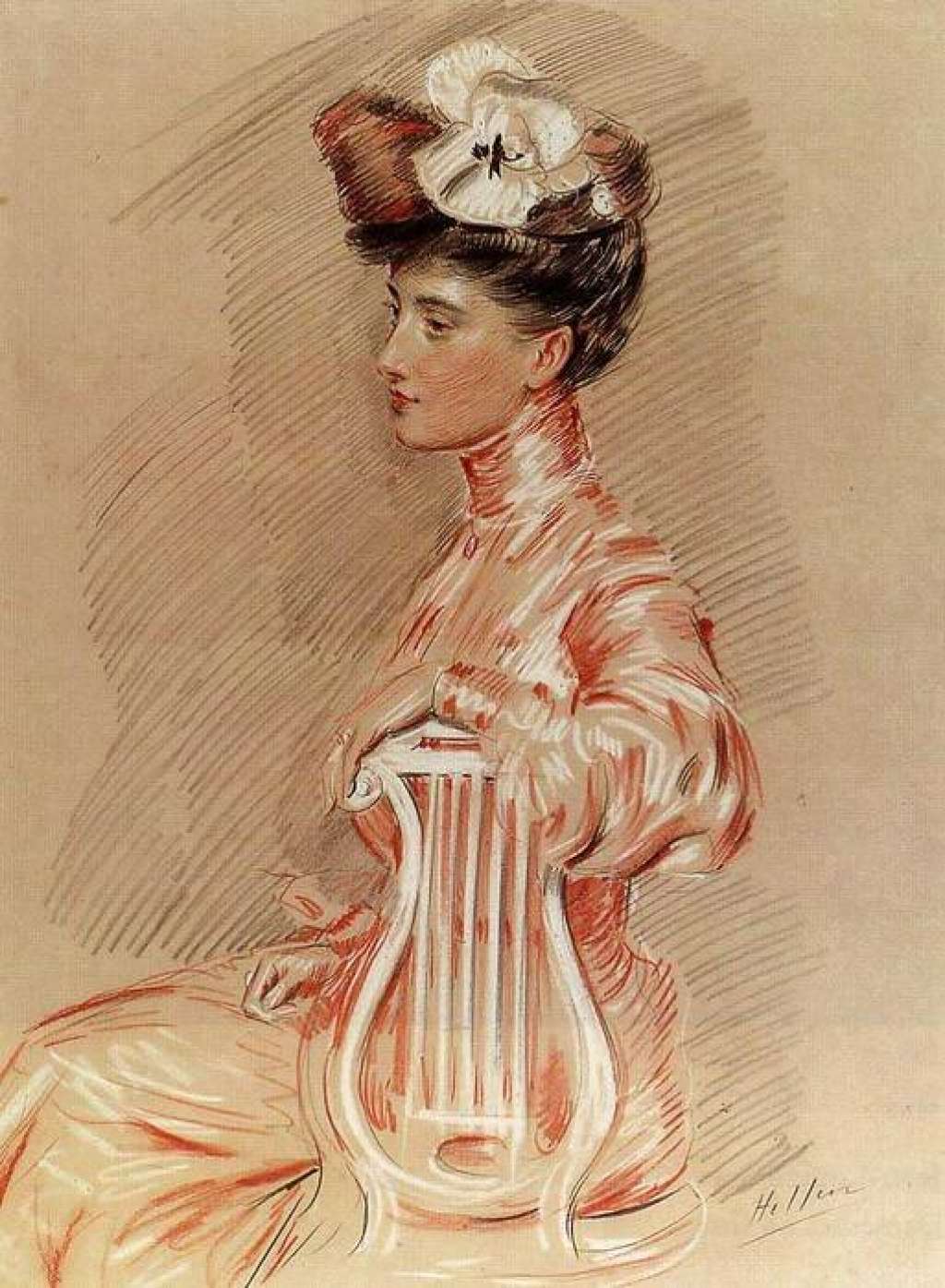
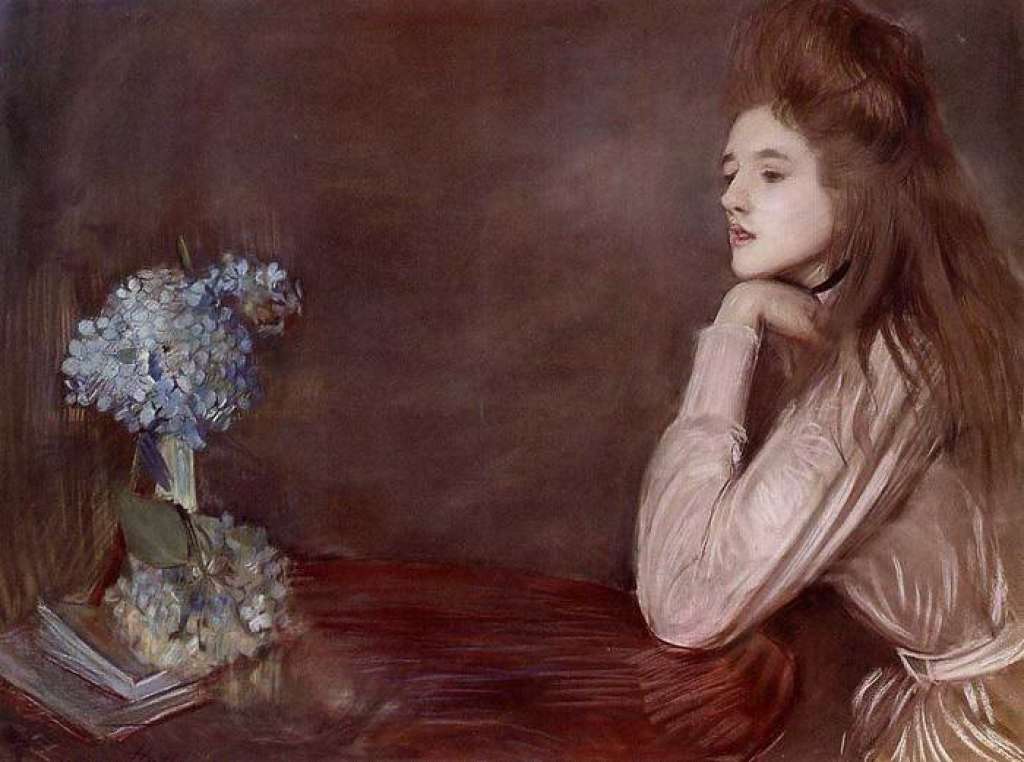
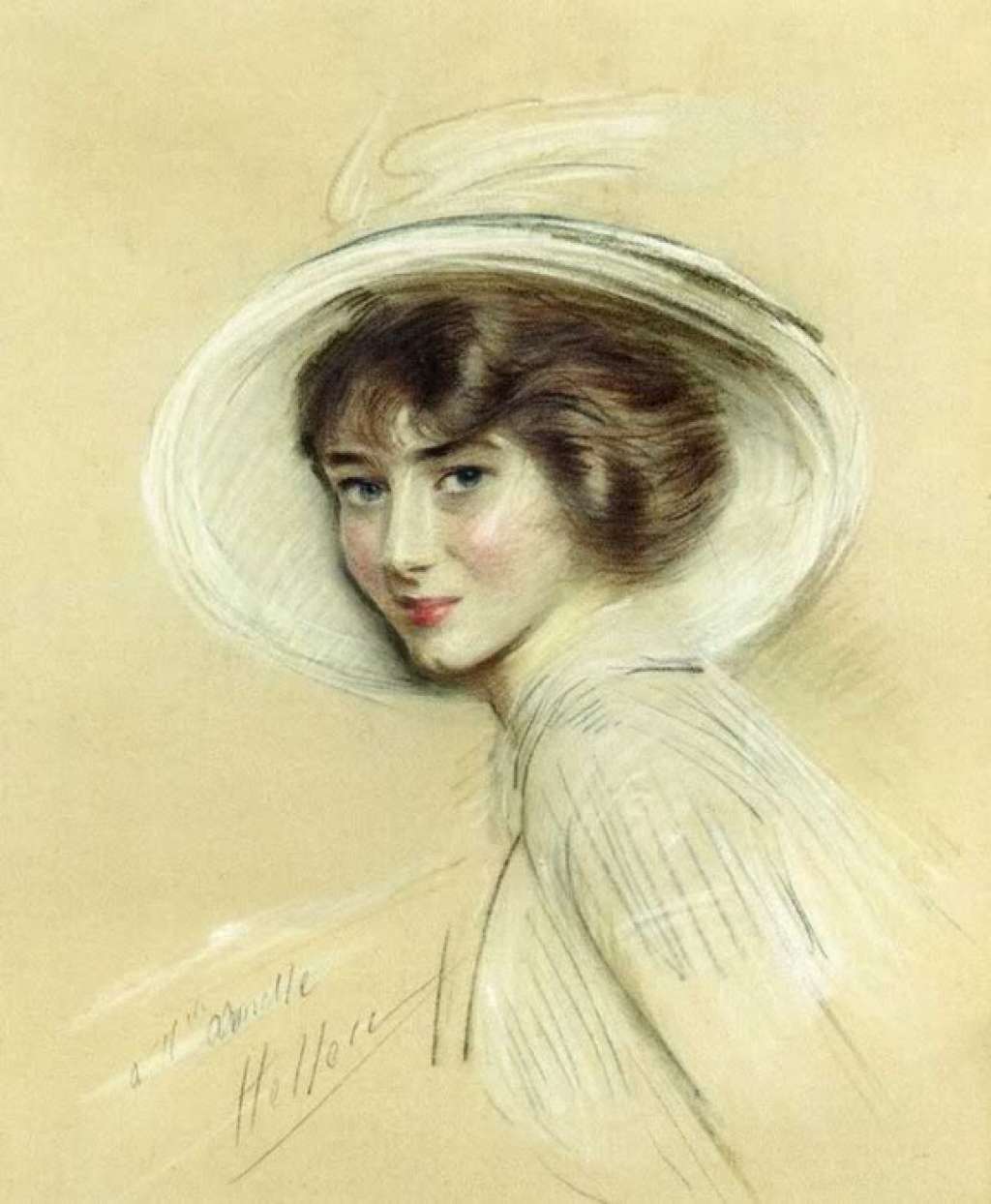
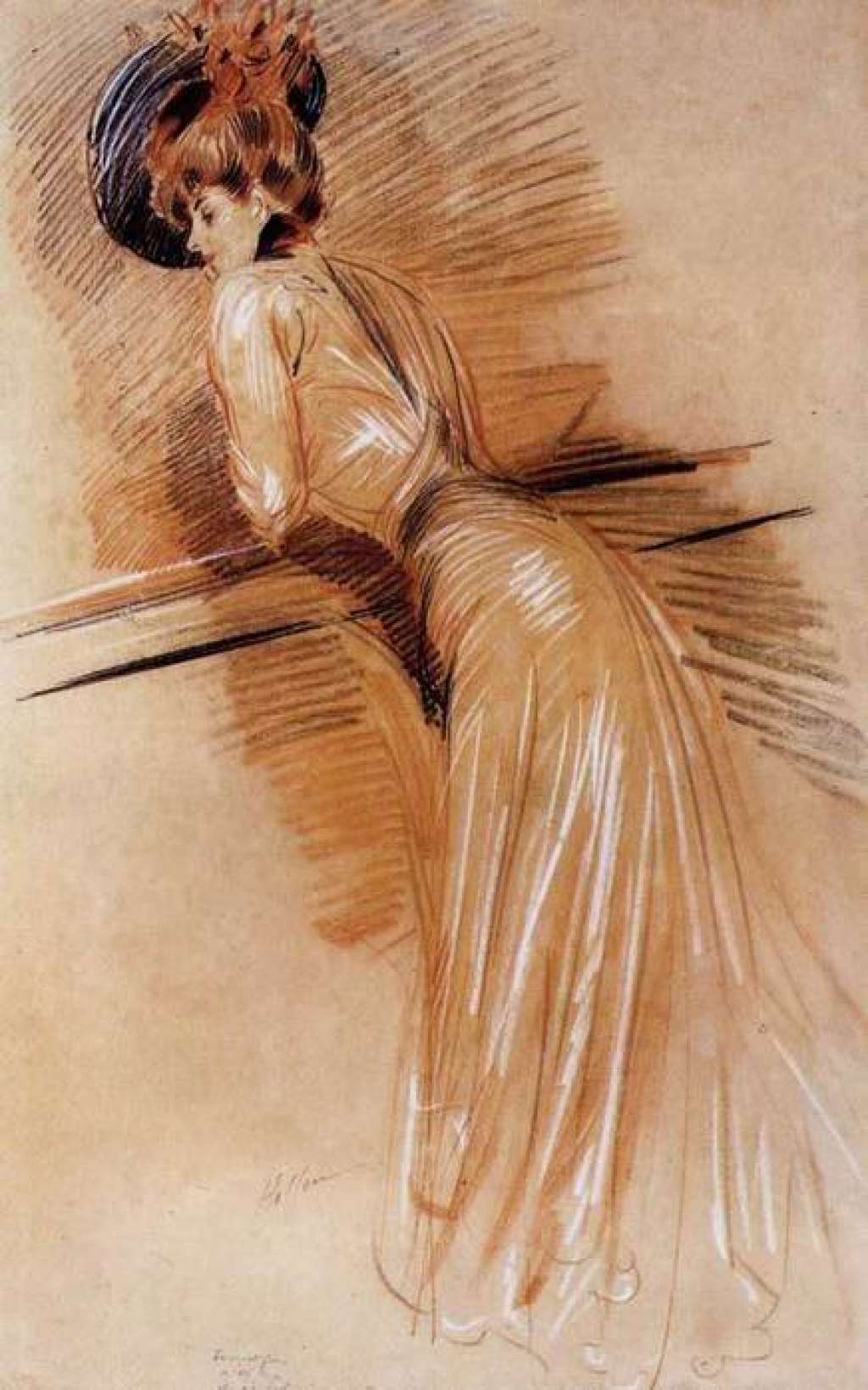
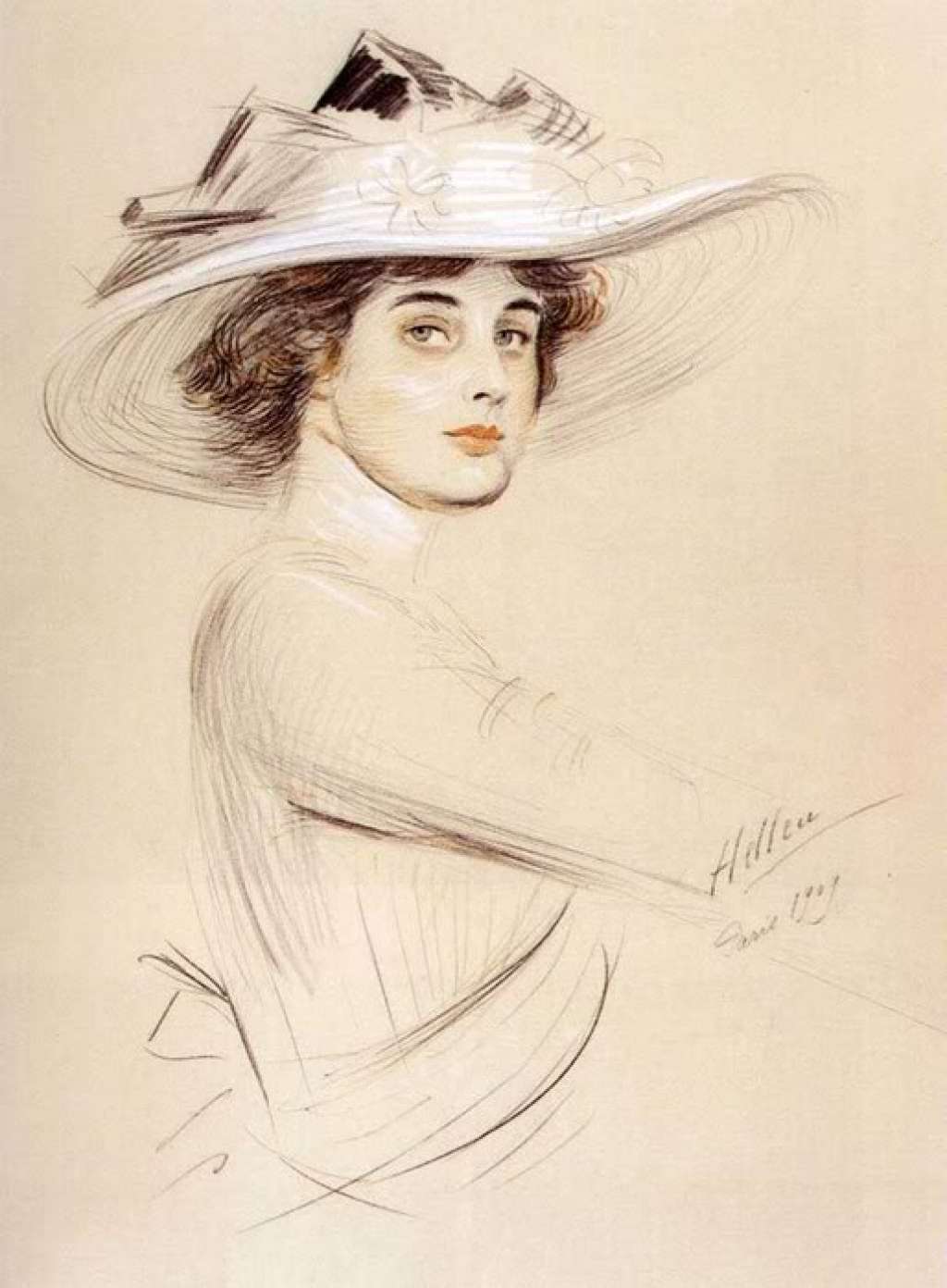
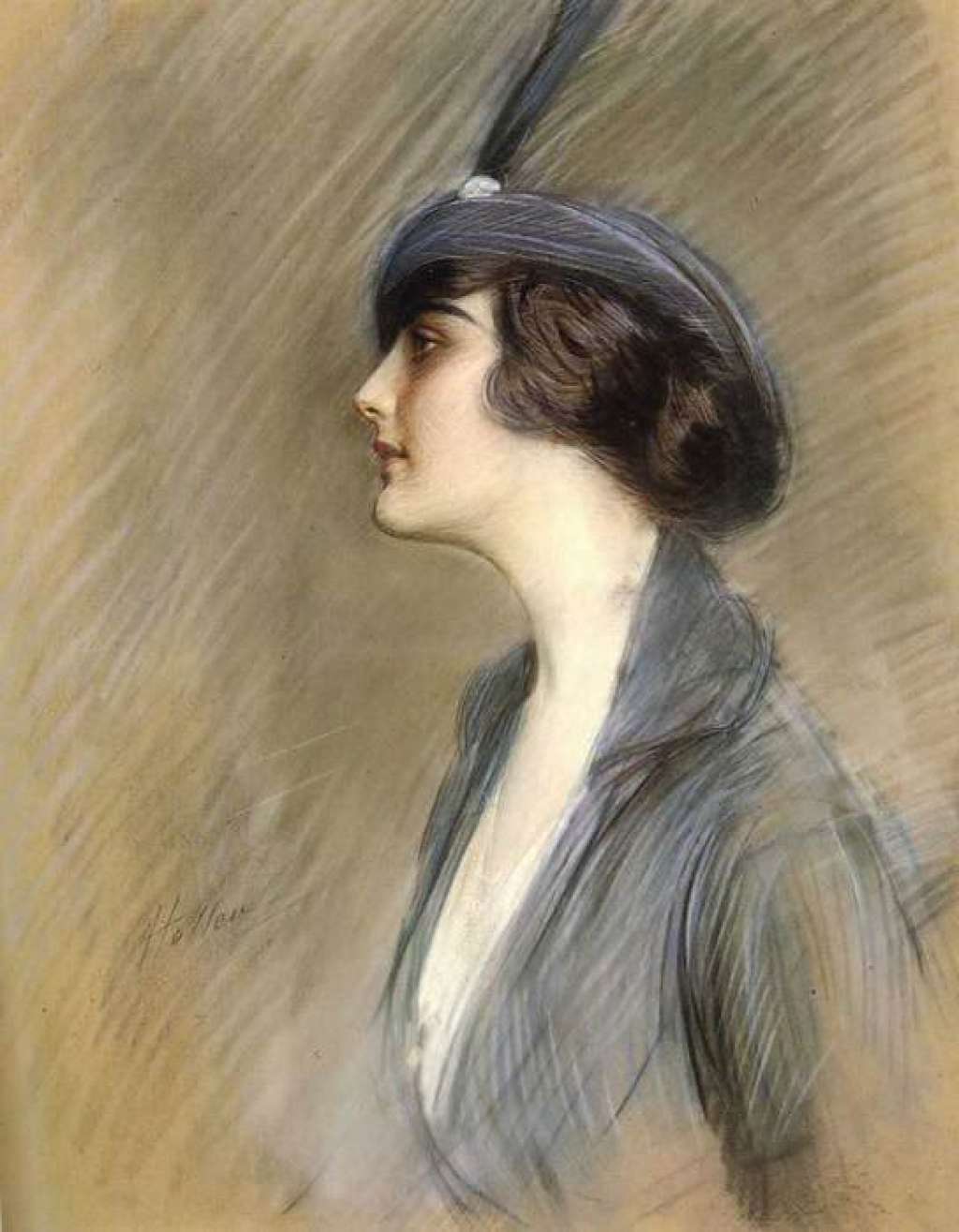
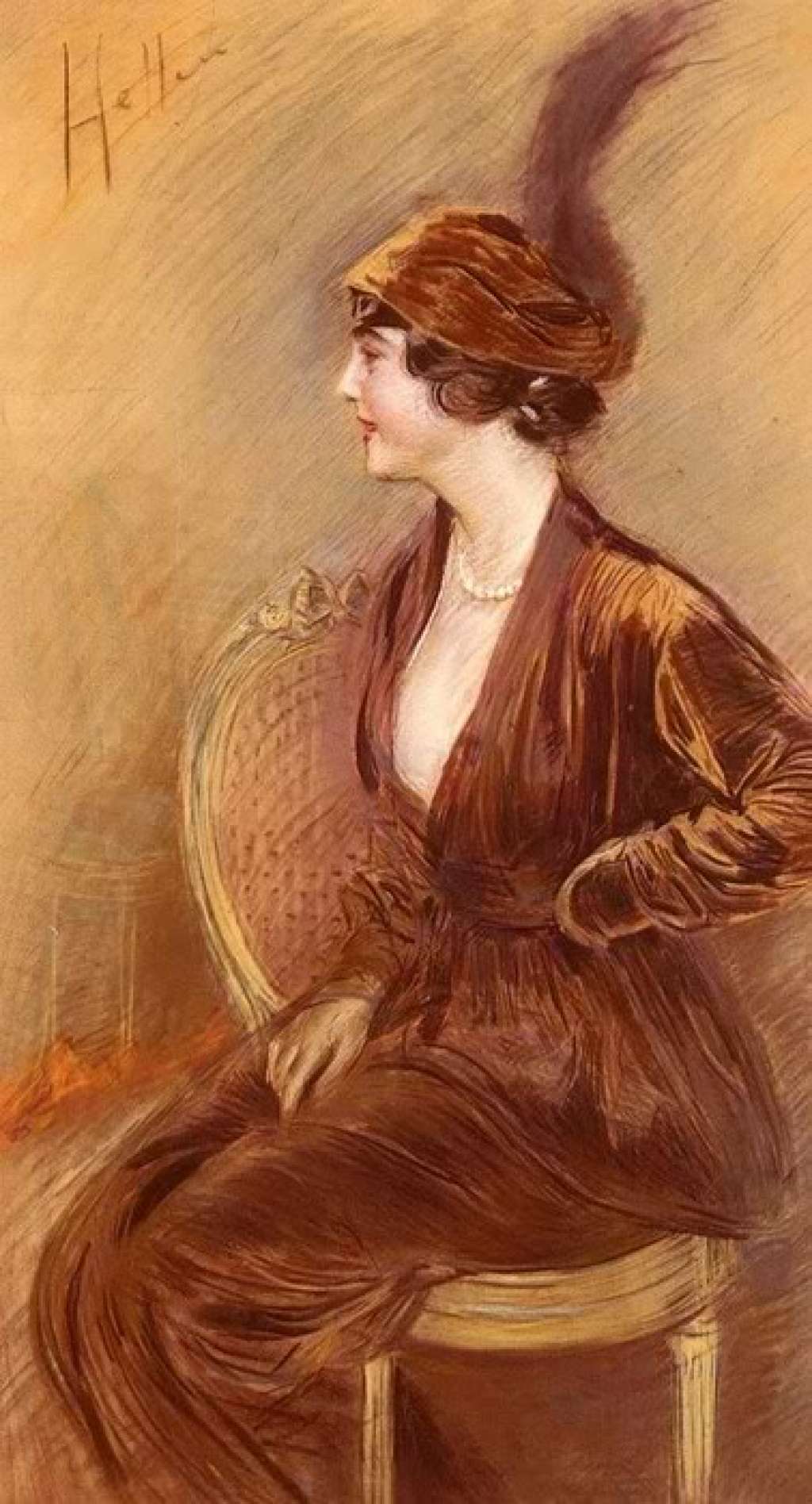
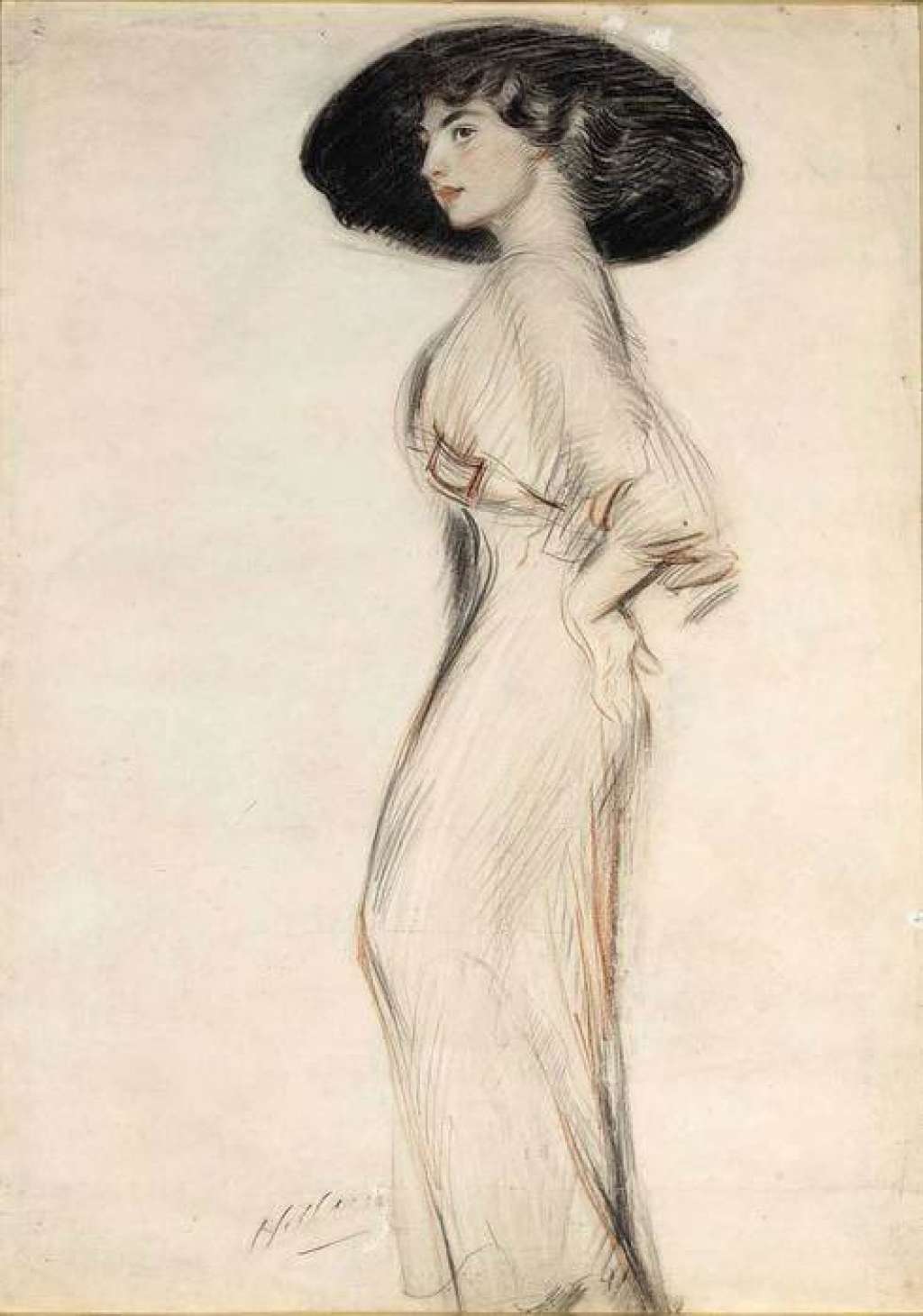
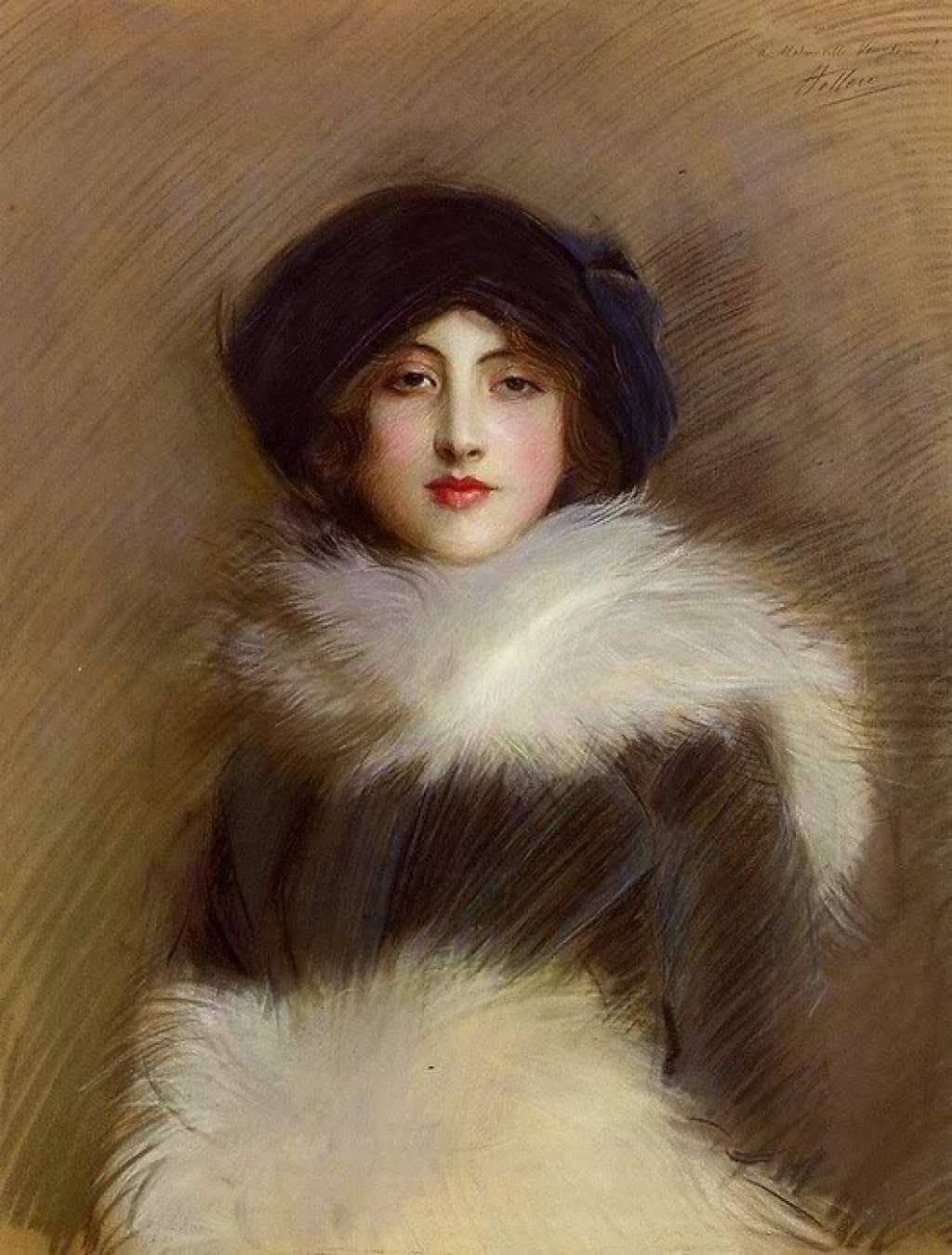
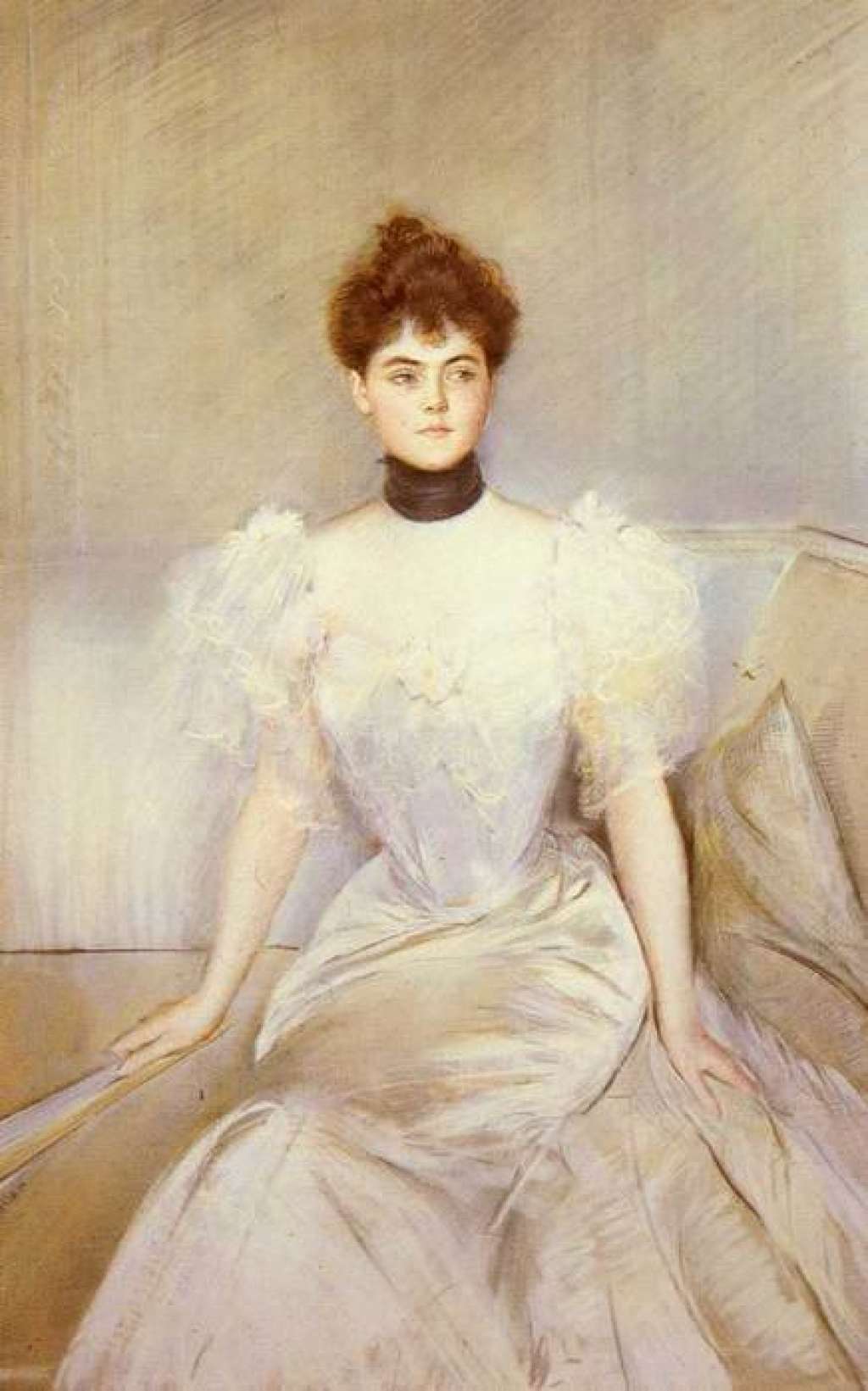
Artwork Portraits of Ladies from the Past
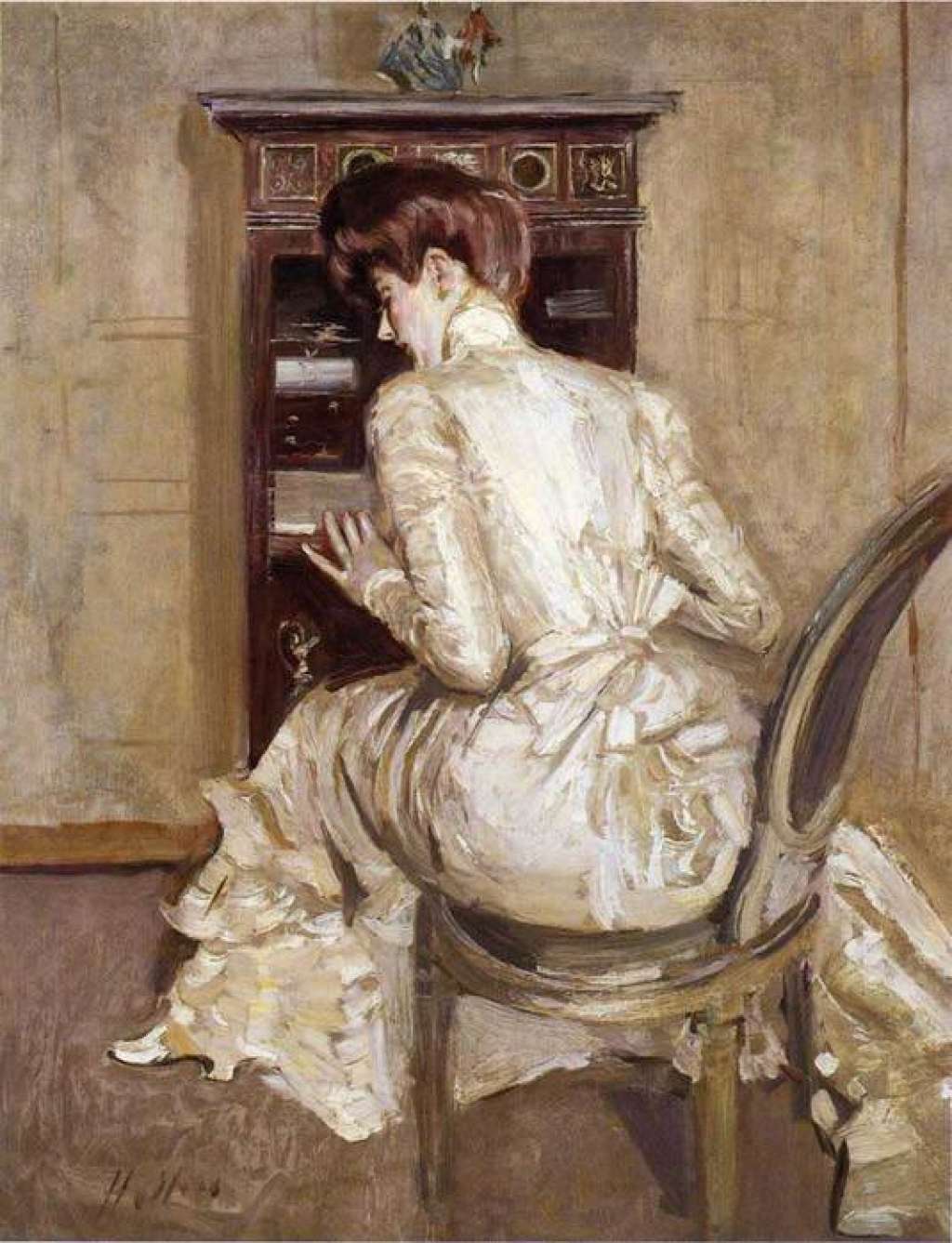
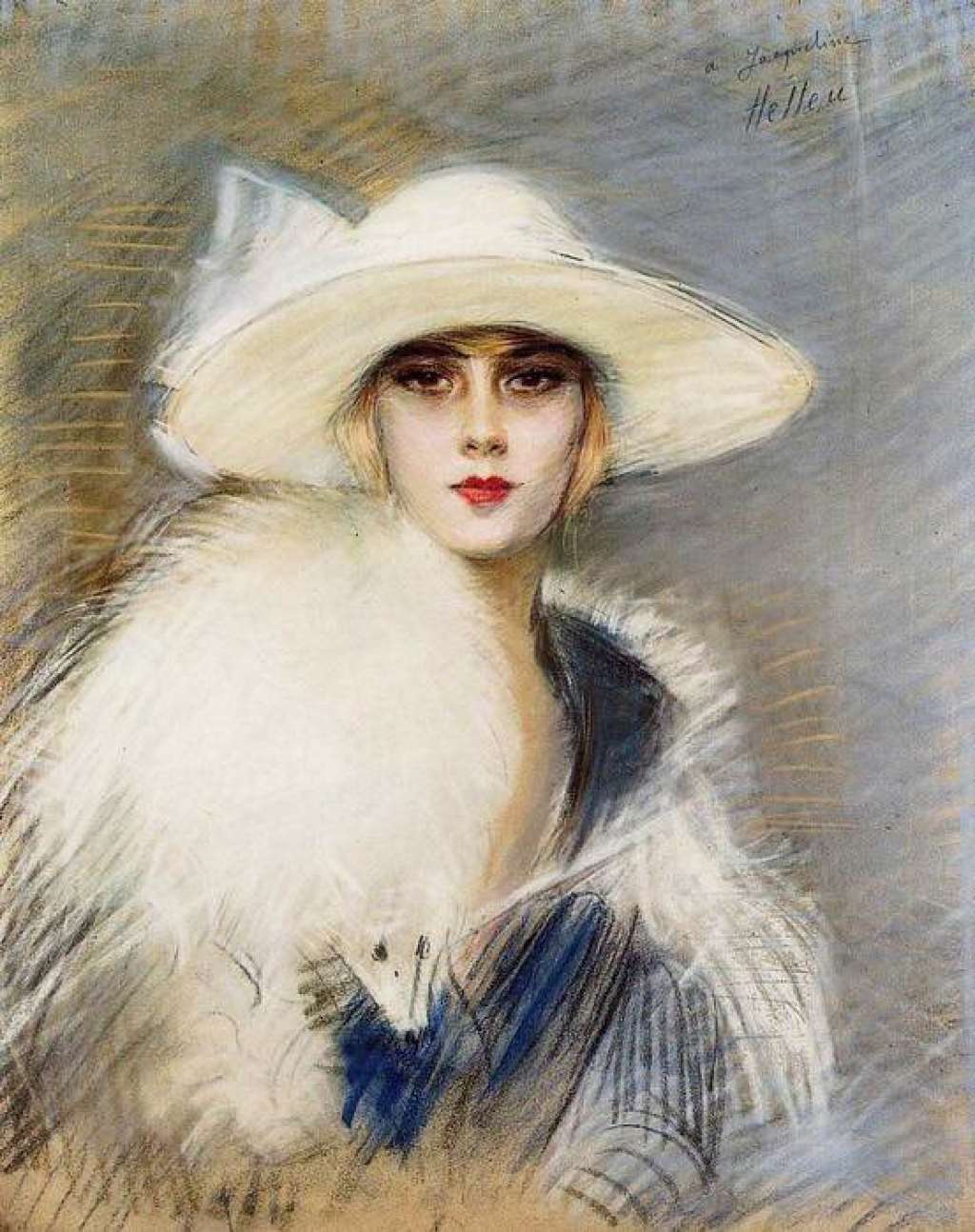
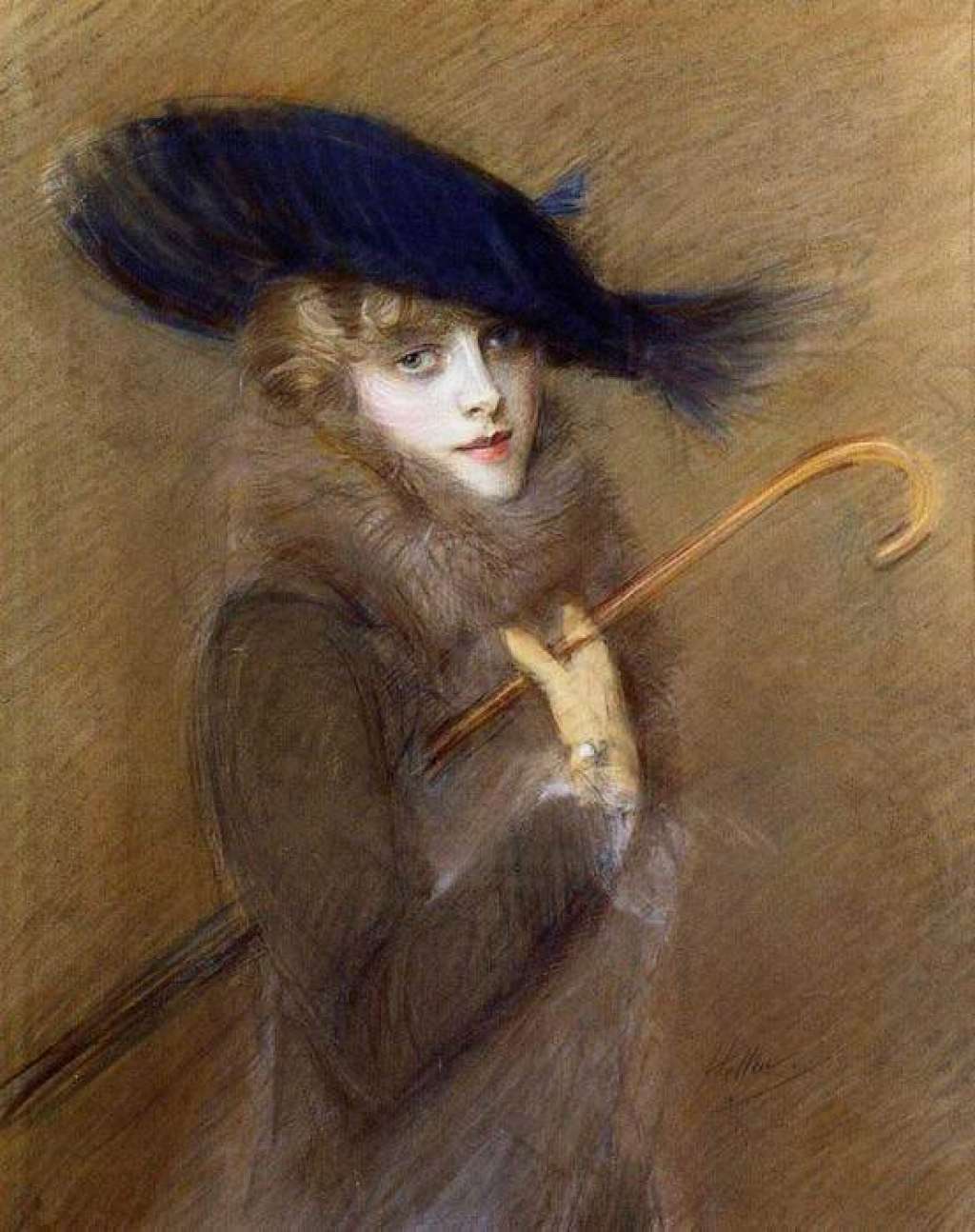
Even if the days when ladies wear such hats on their head are gone, these portraits fresh up our memories and evoke feelings of the past.
Tags: Artwork, from, Ladies, Past, Portraits
Relevant Articles
 Creative Ideas For Your Family P...
 Set a Style Statement with Saree...
 Every woman can look pretty
 Try Long Sleeved Cocktail dress ...
 Modern Art Oil Paintings
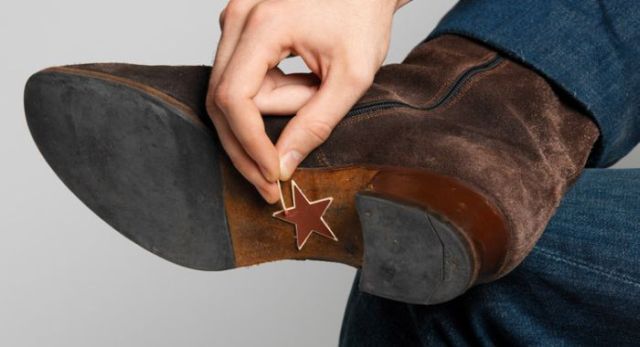
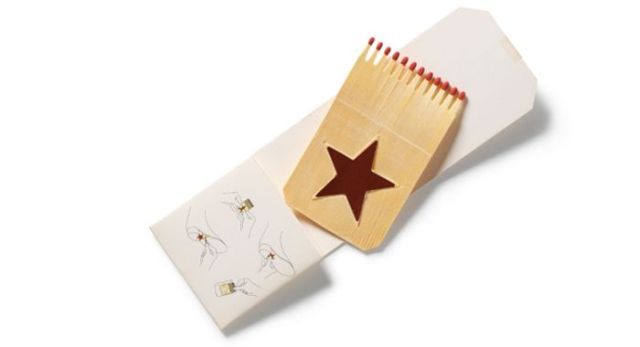
Creative matchboxes
Some people really have really great ideas. All of these matchboxes are brilliantly created so they are small, but they can say you much. 
Tags: art, Artwork, gallery, glue, matchbox, stick
Relevant Articles
 4 Creative Crafts To Do With You...
 Top Fancy Dress Ideas For Your W...
 5 Careers Where You Can Show Cre...
 Alternative and Creative Music A...
 10 Tips To Take Stunning Portrai...
 Using Wall Art Stickers To Decor...
Worst food tattoos
We can’t understand that people want to have a tattoo of their favorite meal. But, if the tattoo looks good, then can agree that it doesn’t look so bad. But, this tattoos really looks bad


Tags: art, Artwork, body, skin, tattoo
Relevant Articles
 Various Signs and Creatures Tatt...
 What Is The History Behind The T...
 Temporary Tattoos: Why Going Fau...
 Tattoo on your heart
 London Tattoo Convention 2009
 Rihanna tattoo pictures
 Piercings and tattoos from hell
 Mono Food Eating Habits and Food...
Jaime Martinez photographs
Jaime Martinez was born in Monterrey Mexico (1978) and he’s currently living in Mexico City.
Education:
2009 (ongoing) -Seminario de Fotografía Contemporánea. Centro de la Imagen. DF, México.
2004 -MA Photography. EFTI Photography School. Valencia, Spain.
2003 -Professional Photography Course. EFTI Photography School. Valencia, Spain.
2001 -BA Spanish Literature/Linguistics. ITESM Monterrey, México.


Tags: art, artist, Artwork, France, free photos, jaime, spain
Relevant Articles
 The Shell House in the Mexico Ci...
 Top ten queens of tennis
 What Mysterious Animal Chupacabr...
 Advertising Made Portable Throug...
 Who Is Lady Gaga in Real Life
 When the New Year 2011 Starts Ar...
 Distance learning-Work and Educa...
Wood art
Wood is an organic material. In a living tree it transfers water and nutrients to the leaves and other growing tissues, and has a support function, enabling woody plants to reach large sizes or to stand up for themselves.
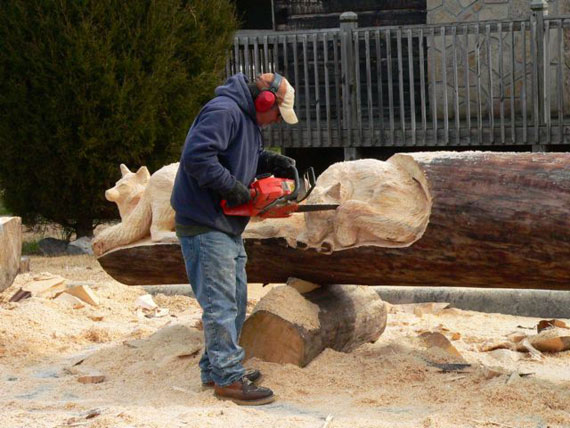
People have used wood for millennium for many purposes, primarily as a fuel or as a construction material for making houses, tools, weapons, furniture, packaging, artworks, and paper. But, on these pictures you can see how artist can use wood for creating amazing sculptures.

Tags: animals, art, Artwork, free photos, paint, wood
 Wood TLC - How To Get Rid ...
 Old Meets New - How Barn D...
 Style your bedroom with contempo...
 Does My Home Harbor Termites? S...
 Growing a Bonsai Tree
 How To Build A Unique Space-Savi...


